

dress/code with Zach St Clair
“In Maine there’s a different kind of style. It may not be what people are expecting from ‘fashion’. But it’s certainly there.”

Zach St. Clair loves getting dressed. In one of the funniest interview I’ve done so far for dress/code, Zach was open about his early days of getting dressed with intention — the good and the bad — and talked with me about the evolution of his wardrobe and its influences, his favorite way of spotting new outfit inspo, and the Joan Didion words he lives by. Plus, the one garment he waits all year to wear.
Interview and portraits by Georgia Dixon | Dana Warp Mill, December 7, 2025
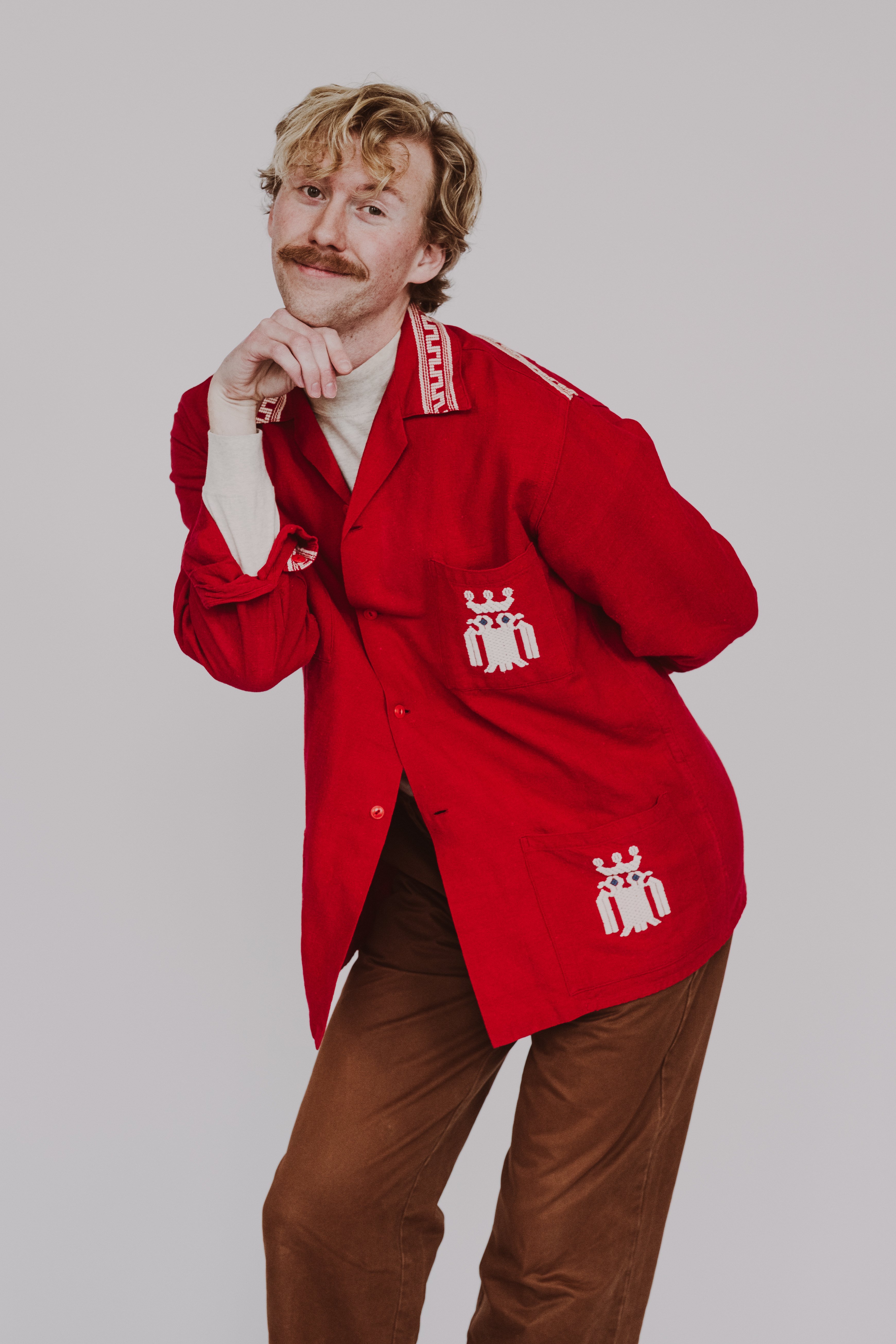
You like mixing polished and beat-up pieces as your everyday wear — what are some of the influences on this style of dressing.
My dad was a biker growing up, he had a Harley and had the jacket and boots, he had a big heavy pair of Docs with the massive lug sole. That wasn’t exclusively his style, but he was certainly in that world, so I was around that a lot.
I didn’t really find my style until my adulthood. That was when I actually started thinking about what felt comfortable to wear, or what I felt most excited in, and so I was able to hone my closet a bit more. I started to find those influences, and it ended up being a lot of workwear and western wear.
Do you see yourself tying back to that biker wear at all?
It mostly influenced materials and construction. I really like garments that have a function. Like I love these overalls: they’ve got a lot of pockets, they’ve got a lot of space. I also just got this nice old hunting jacket with the big game pocket in the back for putting a whole duck into, and so I’ve been going to parties with secret beers in my duck pocket.
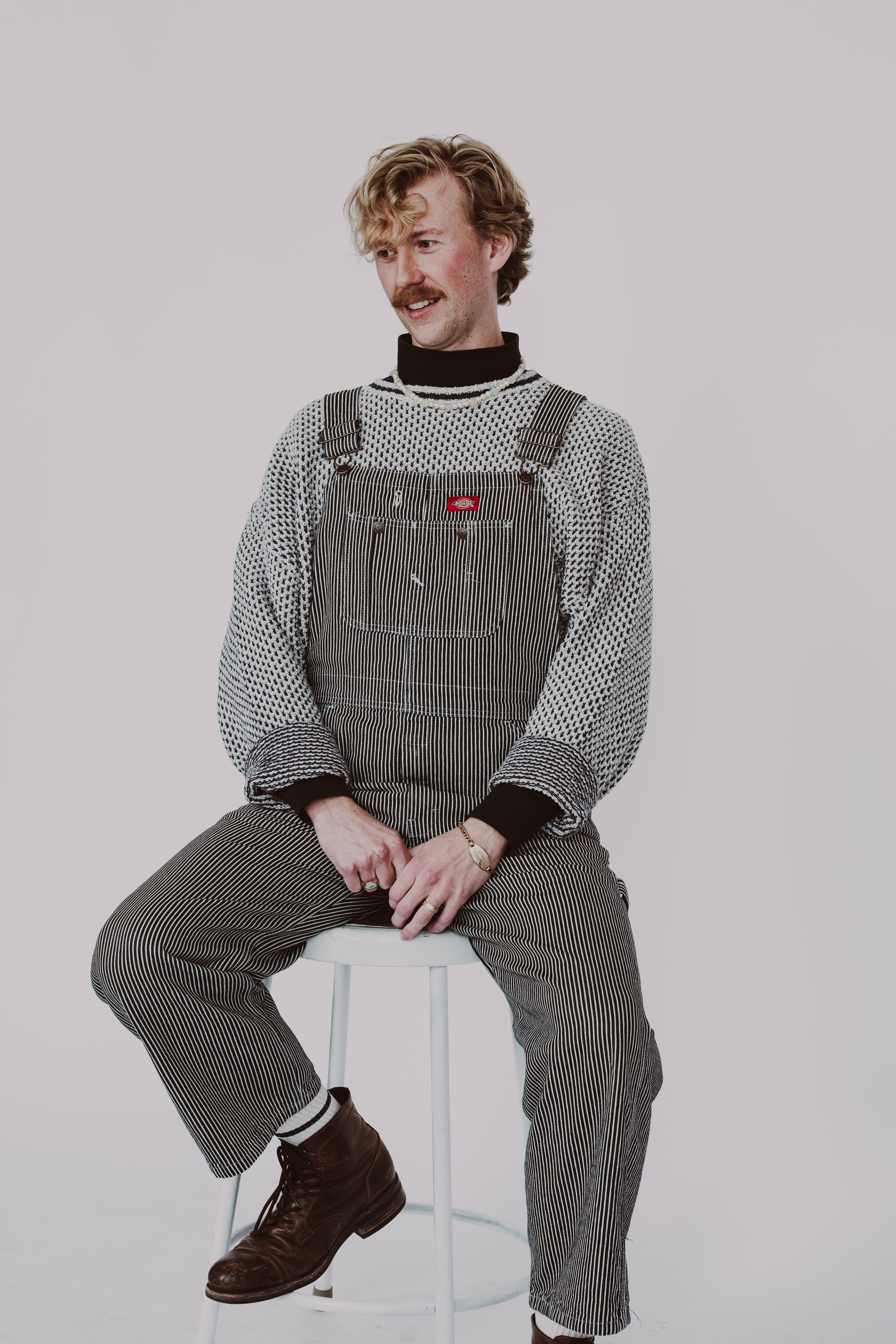
There are a lot of military surplus pieces that I find fascinating, from a historical standpoint; like tank jackets from tank crews in WWII have a handle on the upper back of their jacket so they could be pulled up and out of a tank. I love things like that, where there’s history in the design. A lot of fashion comes from the military uniform, I really love that. I just got a watch cap style beanie so that I can pretend I’m in the navy when it’s cold [laughs].
I love when there’s story and function to things. Like from the biker world, I want to get a pair of biker engineer boots. Those were originally designed with a specific function in mind — if you’re an engineer on a train and you’re shoveling hot coals and you’re doing very hard labor, you want a boot that can withstand that and easily slip on and off. It has a lot of character to it and it’s made of good materials that are built to last.
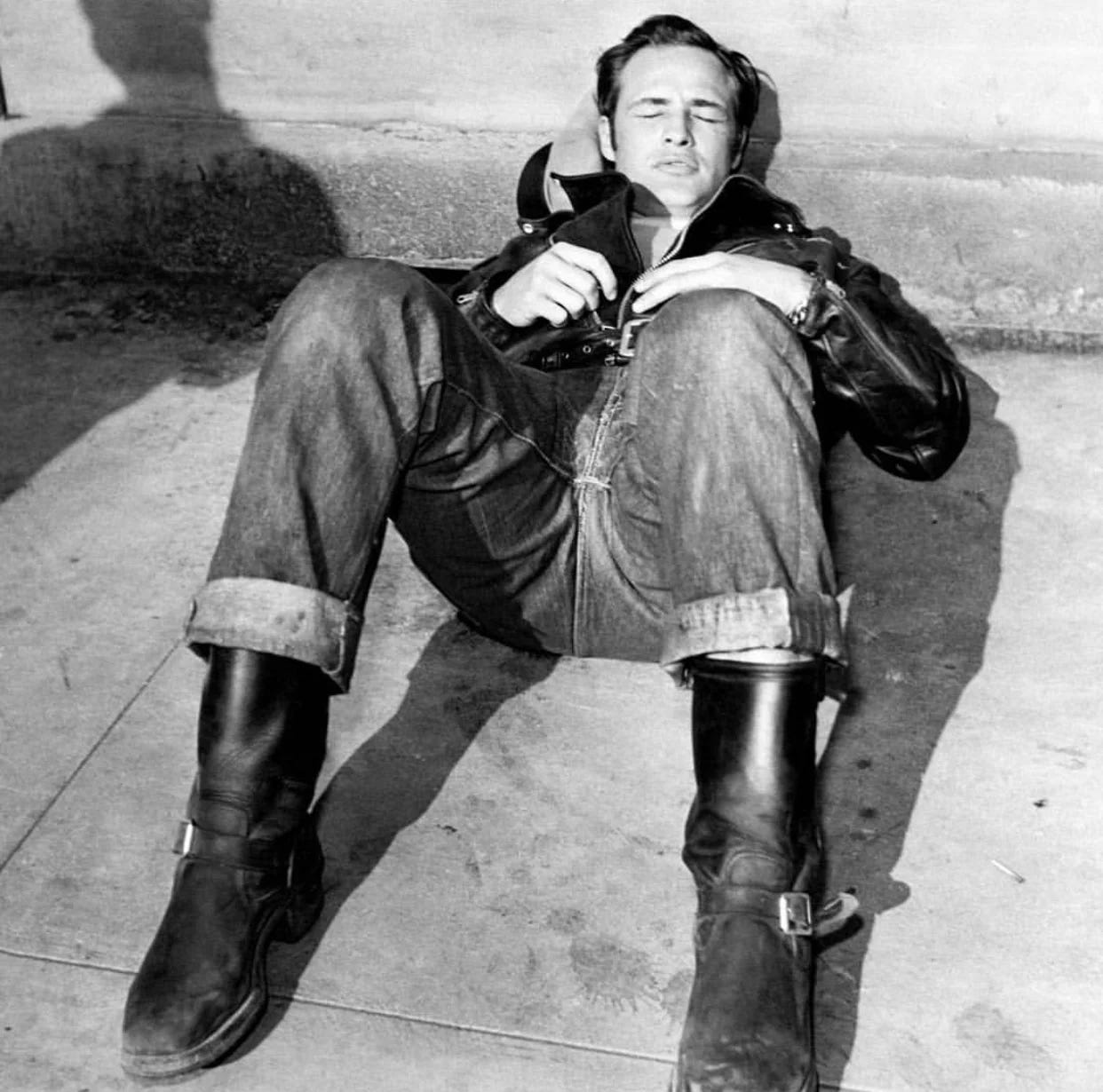
The biker stuff my dad had in the beginning, it was pieces he ended up having for decades and decades, because of how well it was made. Some of it he was able to pass down to me, but he’s a few sizes larger than me, so he gave a lot of it away. I remember a pair of burgundy Doc Martin boots that were two sizes too big for me — I wanted them so bad. I was so sad when he gave those away.
Do you have a method for finding military surplus pieces?
Mostly I’m just stalking pieces on eBay. I’ve had a couple different military surplus pieces over the years, like when I was in high school we did a play that was set in Vietnam. I think the statute of limitations is out on this enough that I can admit to it, but I stole one of the costume pieces afterwards. It was such a cool jacket, I thought, I’m just gonna take this.
I thrifted a Marine Corps jacket years ago when I was in Joshua Tree, and I have struggled to wear it. It feels weird for me to wear something that somebody wore in the service.
It’s that idea of stolen valor, which I think about all the time. I have a piece that’s not military, but it’s a Registered Maine Guide shacket; I got it at Weekend Vintage and I love it, but people are always like, are you a Registered Maine Guide? Absolutely not. I need to get another patch that says Un-Registered Maine Guide; just amend it so that I’m not doing anything bad. [laughs] It’s a hard line to walk, it really is.
I’ve had similar thoughts when styling my military fatigue pants, because it’s a very fine line to not style them in a way that looks like I’m doing a costume. There was one point where I had a variation of the pants with a flowing linen shirt and a very ornate embellished boot, and that felt okay, because it was impractical garments that you wouldn’t wear in war. It was clear I was doing a fashion thing. Versus, I then tried to wear the pants with a less embellished boot and a basic cream-colored t-shirt, and I was like, oh, this looks like I’m pretending I’m in Vietnam.
I found an amazing shirt from the 50s that was made for wearing on Navy vessels. It’s a heavy wool button down, it is so great, but it’s almost too functional. You know when wool is so thick that you can barely move in it? It’s like that.
I have a sweater like that; it’s 100% wool, and it’s the exact same thing where I feel like the younger brother from A Christmas Story when he can’t put his arms down because he has too many layers of winterwear on.
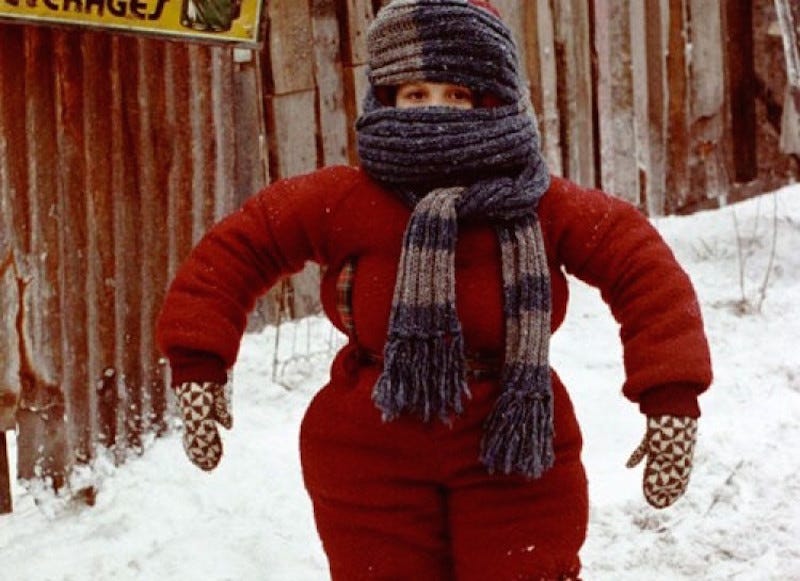
It’s funny because comfort, for me, isn’t defined by soft clothing. I really like having structure in clothes and feeling a little bit of discomfort; it makes me feel like I’m really wearing something. Versus if I’m wearing something too soft, it’ll feel like pajamas and I’ll feel naked.
That’s so funny, we couldn’t be more different. I prefer to feel that I’m always wearing pajamas, but looking like I’m not.
Yeah, no. I want things to feel a little bit rough. Textured and rigid. That makes me feel safer and more comfortable.
That’s the cowboy in you, I guess.
I guess so. That rugged-wear, with my very soft hands from my computer job.
There’s an element of your style that I absolutely love, the bolo tie. How did you get into wearing them?
In Kansas I grew up around farm kids, and there were kids that had more credence to be wearing western wear than I, so I never did. When I was in college we’d have formal events and I had friends who would wear their nice jeans and their nice boots, and they’d have a bolo tie. It’s not out of the ordinary there, but I do feel like it’s now becoming trendier everywhere else.
I started wearing them after we moved to Maine. My first bolo was a gift from my wife, Lexi. She gave me an oyster bolo tie for my birthday, and her dad also gifted me two bolos from his collection. I now have seven or so, and a couple of them I’ve inherited from my great-grandfather. There are lots of cool artists doing bolos in Portland, so I’ve also gotten some that were made around here.
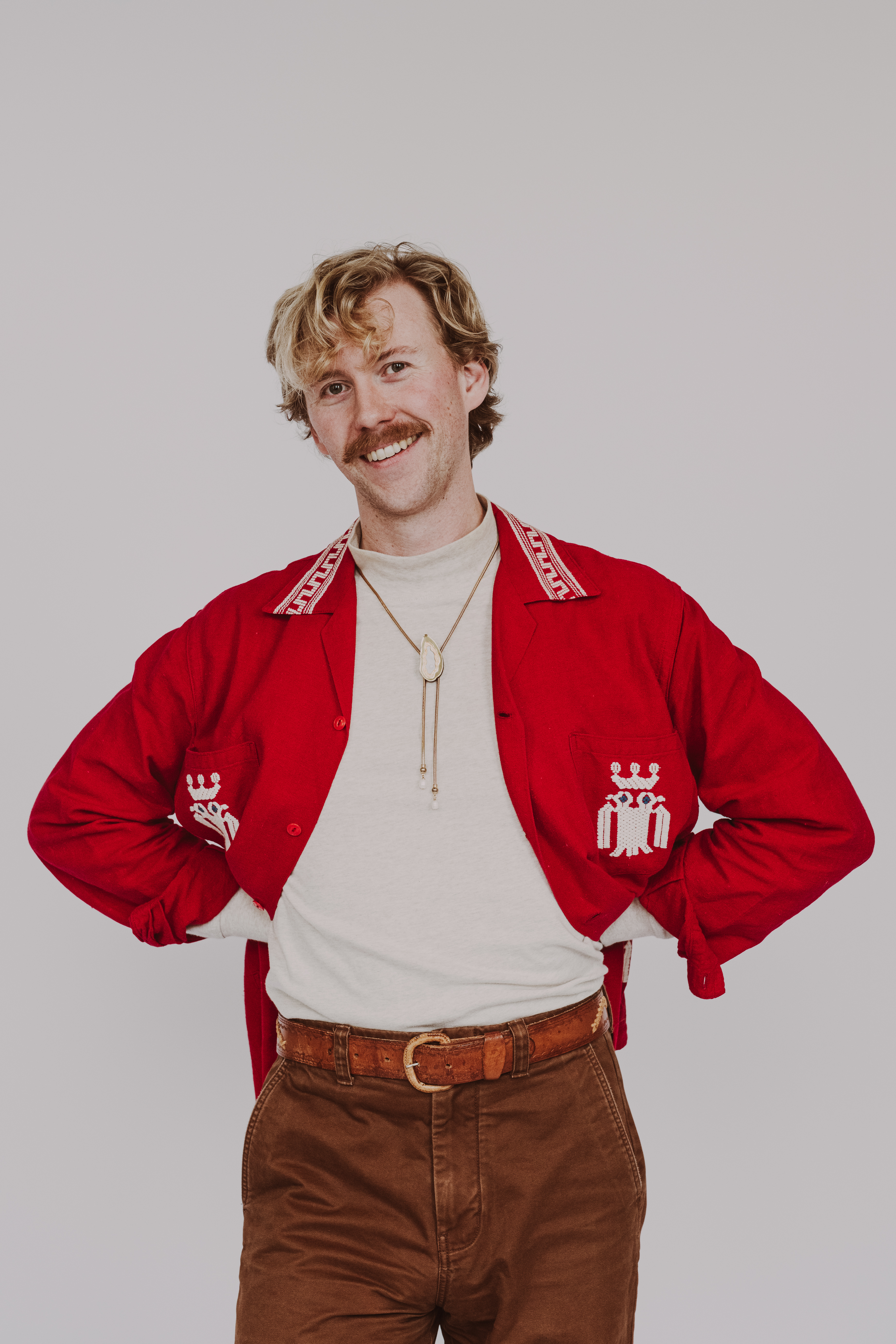
A bolo tie is a cool piece that you can keep reinventing. I hardly ever wear it the traditional way, with a collared shirt. I like to wear it with a crew neck sweater and have it as a statement necklace. I also have a mock bolo by metal artist, Bryan Hansen. He makes these little understated bolos, they’re cool under a collared shirt or with a t-shirts.
As part of your polished-meets-beat-up style, you talked about how you often wear the boots from your wedding as the polished counterpart to some of your more beat up garments. Is there another example of something you do regularly that achieves a similar balance?
I have this pair of sneakers that I’ve beat to hell. They’re just a pair of white leather sneakers so their lifespan is meant to be a couple of years, but I’ve had these for close to seven. I’ve worn them through renovating my parent’s house, I’ve worn them when I was studying abroad and walking miles and miles all over Europe; I’ve just worn them to oblivion.
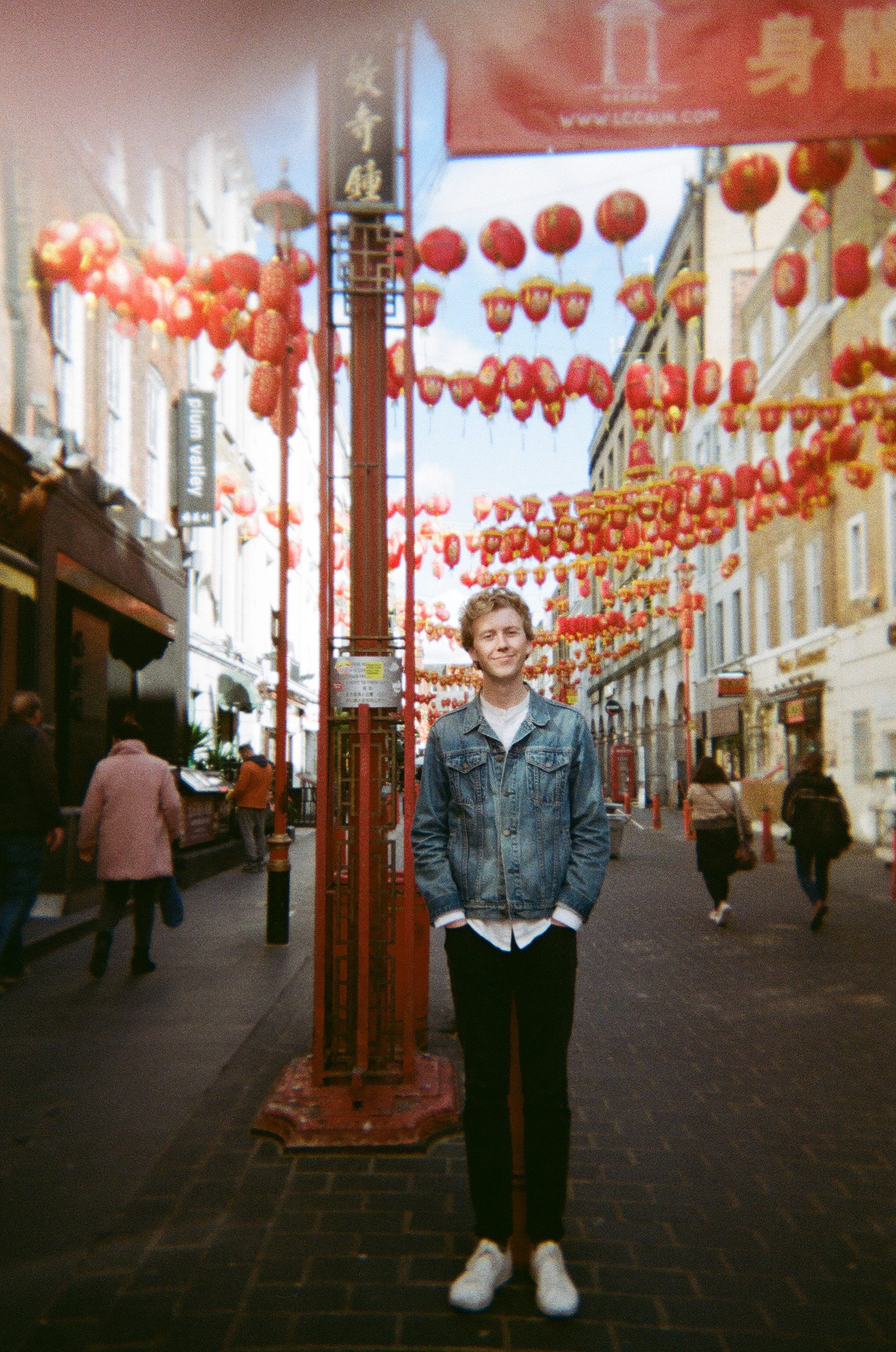
I recently got a new pair to replace them — the old ones aren’t going away yet, but I wanted to have a backup when eventually they do truly just fall off, when they just become dust. But I realized that I didn’t like the shiny new white ones because they don’t have that character. I like that the things have mileage on them to show that they’ve been loved.
My wife and I have a bunch of stuffed animals and, over the years they get a little ratty, but we always look at them with their stains and their worn fur and we just say, to be loved is to be changed. And I feel that way with clothes too, I want to get a thing and keep it forever and make it part of my life. So to have that wear showing, I love that a lot.
“to be loved is to be changed”
These sneakers I’m wearing are really beat up now, but when I first got them I was so precious with them.
I have that instinct too, when I first get something. I have to override it in my brain; but it’s no fun to buy a nice candle and never burn it. There’s this New York Times interview of Joan Didion from the seventies where NYT said something like, there’s a certain aesthetic to the way that you live. You’ve talked about using your fine China every day. And she said, every day is all there is.
I think about that a lot. There’s no point in letting something sit on a shelf and never touching it.
You’ve talked about how you used to be more pretentious about fashion and, looking back, it was maybe a mechanism to feeling superior — what’s changed as you’ve come into your own style?
I think I was the worst person at that time. It was late high school, early college, and I didn’t know what my style was, but I knew I wanted it to be different from other people’s. And so that became that superiority complex. I was very precious about style in the exact opposite way of what we’re talking about now. I was very about keeping everything crisp and clean and proper; I wore a lot of American Eagle and everything was very tailored and slim cut. It felt like I was a mannequin, in retrospect. Where I wasn’t actually living in the clothes, I was just wearing them.
What’s changed is I’ve been humbled and brought back down to earth by my wife, and by my friends, who are not living in a way where they’re worried about what other people are doing. They’re just trying to do the right thing for themselves. Which is a much more sustainable and enjoyable way to live. I had to reel in that instinct to be pretentious or full of myself. It’s nice to not take myself so seriously because, in that time of my life, I was much less cognizant of actually wearing my clothes.
It’s a good thing you can say, that was me but not anymore. Did that stage of life serve you in any way?
It was the start of me caring about fashion and I needed that entry to get to where I am now. At the time, I was in Kansas, and people around me were wearing a lot of the things that I wear now — in terms of western wear or workwear. And that didn’t feel like a thing I had claim to because I was more from the city. So I was trying to find something that was a fit for me, which is when I fell into that preppy archetype. It was an experiment in finding my way.
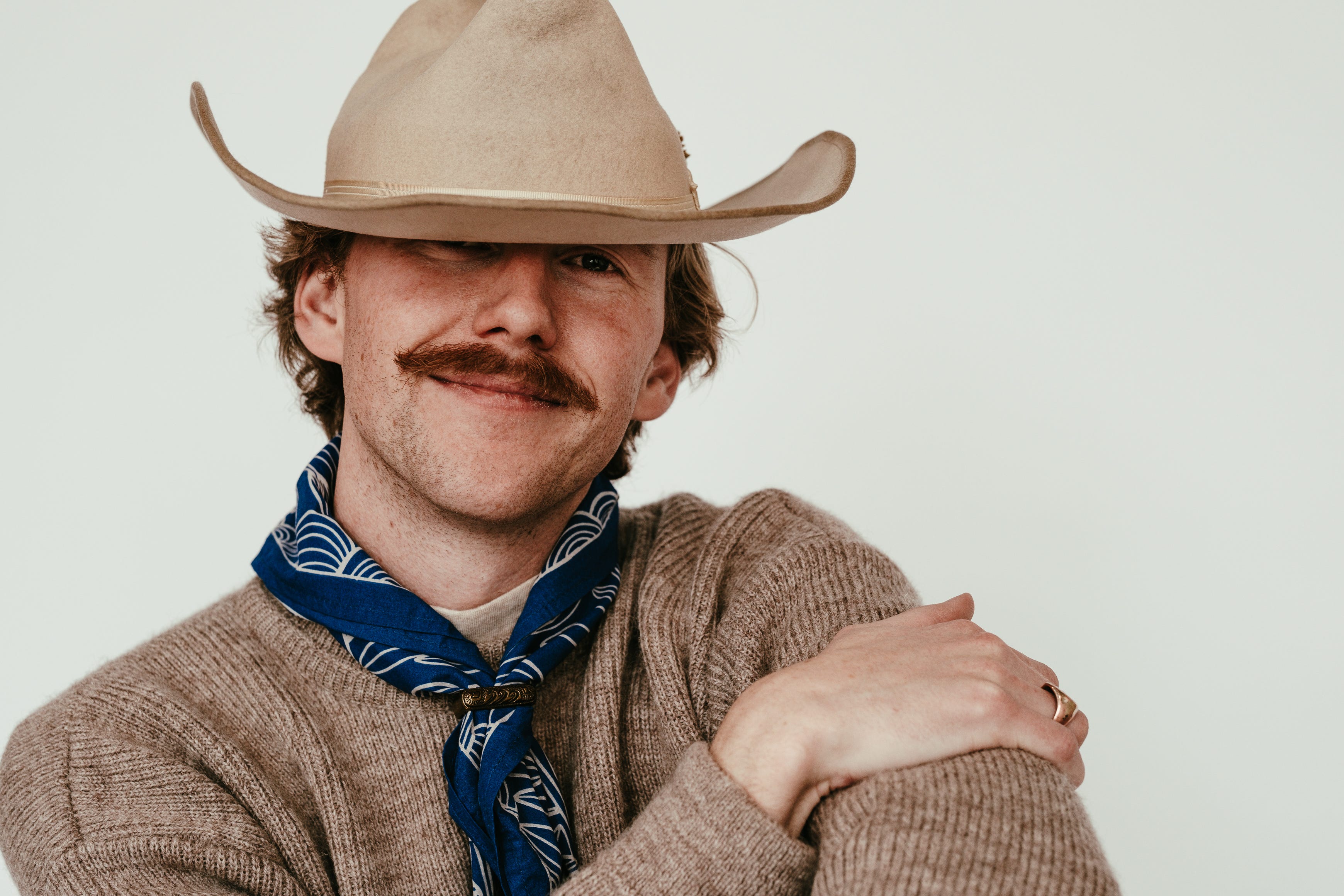
But that’s when I started to care about dressing well and figuring out how to construct an outfit, how to coordinate colors, so it was useful. Now, and even then, I don’t like to do anything too crazy or bold. I like things to be simple. I’m usually doing either monotone or just one or two colors in an outfit. But I like strong choices. I don’t want something that feels indeterminate or half-assed, I want something that feels like it’s a conscious choice. So I guess high school was the start of that, where I was experimenting and figuring out, oh, I do care about this thing. What does that mean for me.
Once you care about something, the experiment never really ends. You want to keep growing and pushing at the boundaries.
Right, and finding new influences. And as I grow older those change. Like Bill Nighy, for example, is very well-dressed — but is also a floppy kind of lanky guy like I am. So I look at him and think, when I am his age, I’d like to be doing a similar thing to what he’s doing.
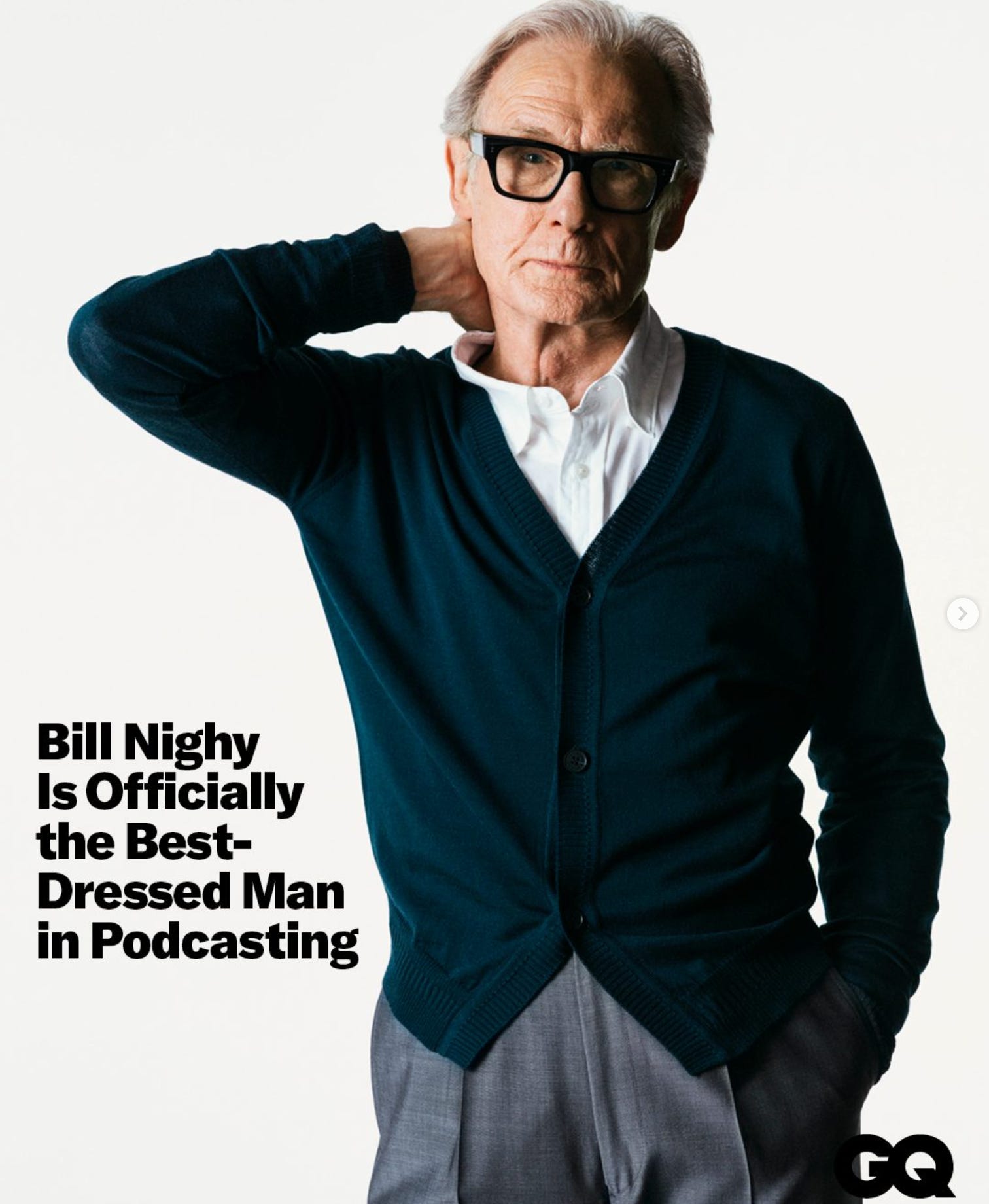
Taking influence from people around you requires looking at yourself with clarity and honesty. Asking yourself how you’d style something or what looks good on you, and being honest about that. I think that’s part of the process, too, is that you try things that you see other people wearing, even if they’re very different than you. Their body shape might be different than you, or their skin tone. If I’m being honest with myself, it’s: I’m pretty skinny and I’m pretty pale. What’s going to look good on my body? And having that clarity helps a lot, to then pull the right influences.
“Taking influence from people around you requires looking at yourself with clarity and honesty.”
It’s so fun to experiment. You can shapeshift your own wardrobe in a lot of ways.
This is a hard thing that I struggle with sometimes, avoiding the comfort of finding an outfit and only wearing that. I really have to push myself. Often I’m not as successful as I’d like to be, at pushing myself to style something in a different way. I’ll find the outfit that I like, and I’ll stick to that forever. And I feel good in it. I feel comfortable.
But I always get to a point where I feel the need to do something else and branch out. Especially when it’s late in the season, late in the winter or late in summer. It’s like, I’ve gone through all of my summer outfits or my winter outfits. Now what?
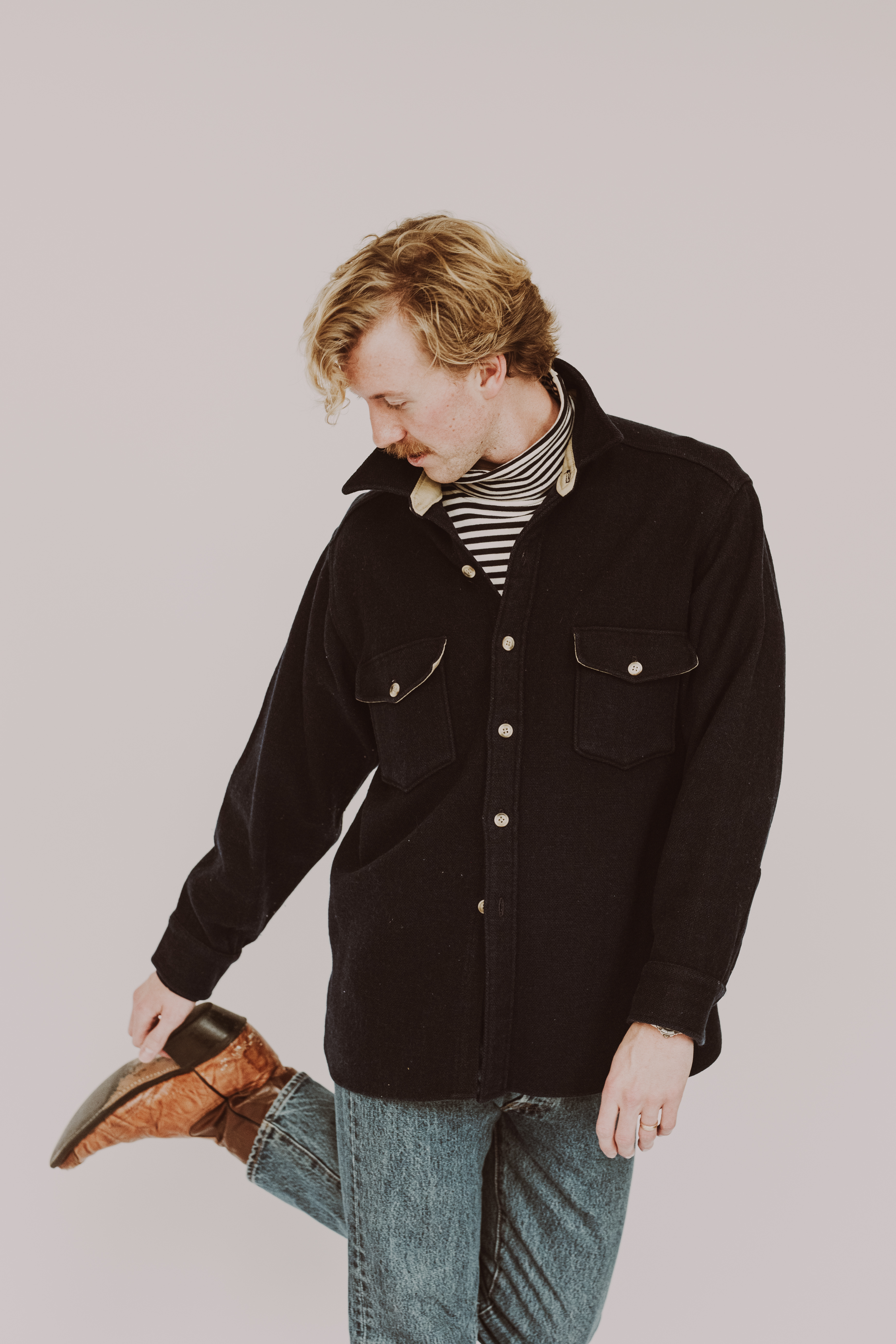
That’s when I start looking at what other people are doing, and end up doing things I didn’t expect. Like I have a couple of rugby shirts I’ve really liked lately, and I’ve been trying them out. Then I saw somebody that was styling a denim shirt underneath a big rugby shirt. I was like, I like that! So I started to do that. It’s important to try those things you wouldn’t think of on your own.
On building a wardrobe
You have this wardrobe you’ve been working on for a while, how do you go about deciding when you want to bring something new in?
I acquire things in one of two ways. Option A is: agonize forever and take so long to find exactly the right thing. Or, option B is: find something spontaneously when I’m out and then buy it too quickly. And then afterward go, I don’t know that I needed this. It’s usually one of two ends of that spectrum, and I’m always fighting my demons of not just getting things for the sake of getting things.
The best philosophy for me is to find a hole in my wardrobe. Like recently, that hole was a braided leather belt. I had been looking for like a year and a half or two years to find one in a store. It was a slow burn and every time I’d go into a vintage shop, I’d go to the belts and check. Do they have it at this time? No. Okay, great. Then maybe later.
Then a couple months ago I finally found one that I liked. And it was actually because of GEOSTYLED, I had been reading the interview with Erin Arnold and she mentioned Mothertree Vintage in Freeport as one of her top vintage spots. I was looking at their Instagram and they posted some new pieces they had in the shop. I zoomed in on the photo and there was a little braided belt there so I went the next day and I found, not just one, but TWO braided leather belts. It was a luxury of choices to have after I’d been looking for so long.
Is there anyone you consider to be a style icon?
Any time I see a photo of Robert Redford, I want to do exactly what he’s doing. It’s very western wear, very workwear, but he also felt very lived-in and functional. I like things that feel like they’ve seen the world, and Robert Redford’s got a lot of styling like that. You see a photo of him out on a horse in Wyoming or Utah, just riding around, and it’s like yeah, you and your clothes are experiencing a fullness of life.
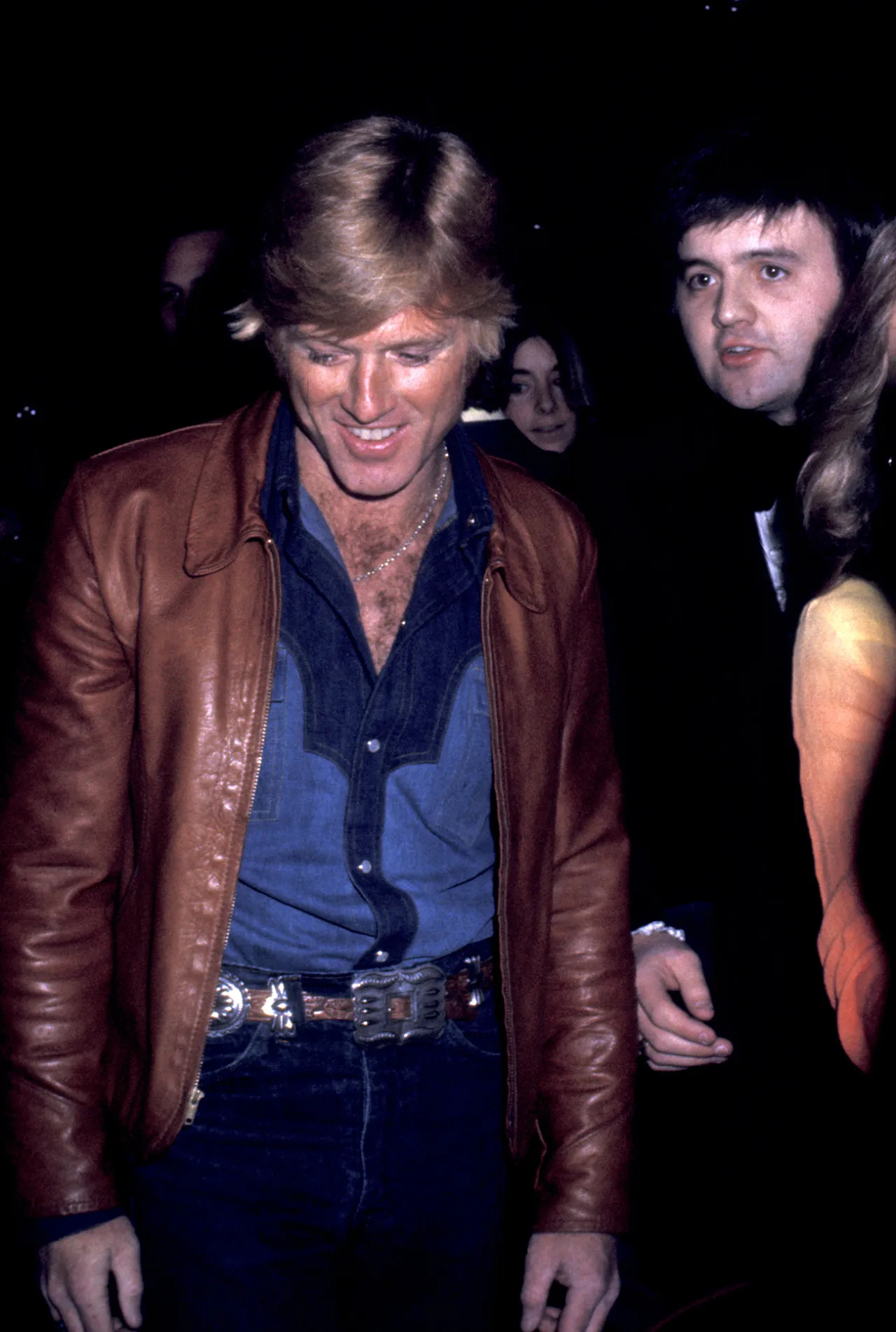
Are you ever eyeing people in the streets?
Oh, every day. It’s constant. Usually it’s when I notice someone styling something in a way that is very much their own. I’m insatiable with this and I sometimes worry, like, I hope people don’t think I’m leering at them [laughs] but truly I’m just thinking something like, that’s a good pair of Carhartts that they’ve chopped in a really specific way. Maine is a nice place for me to get inspiration because there is so much good workwear and functionality just on the street. People are dressing both well, and also, practically. I love that split.
Every time I go to Lambs, everybody there is in workwear. Every gay, lesbian couple at Lambs is dressing exactly how I want to dress; it’s that look of workwear that’s a bit disheveled, but in a way that is really well layered and curated. It’s the inspiration I aspire to everyday.
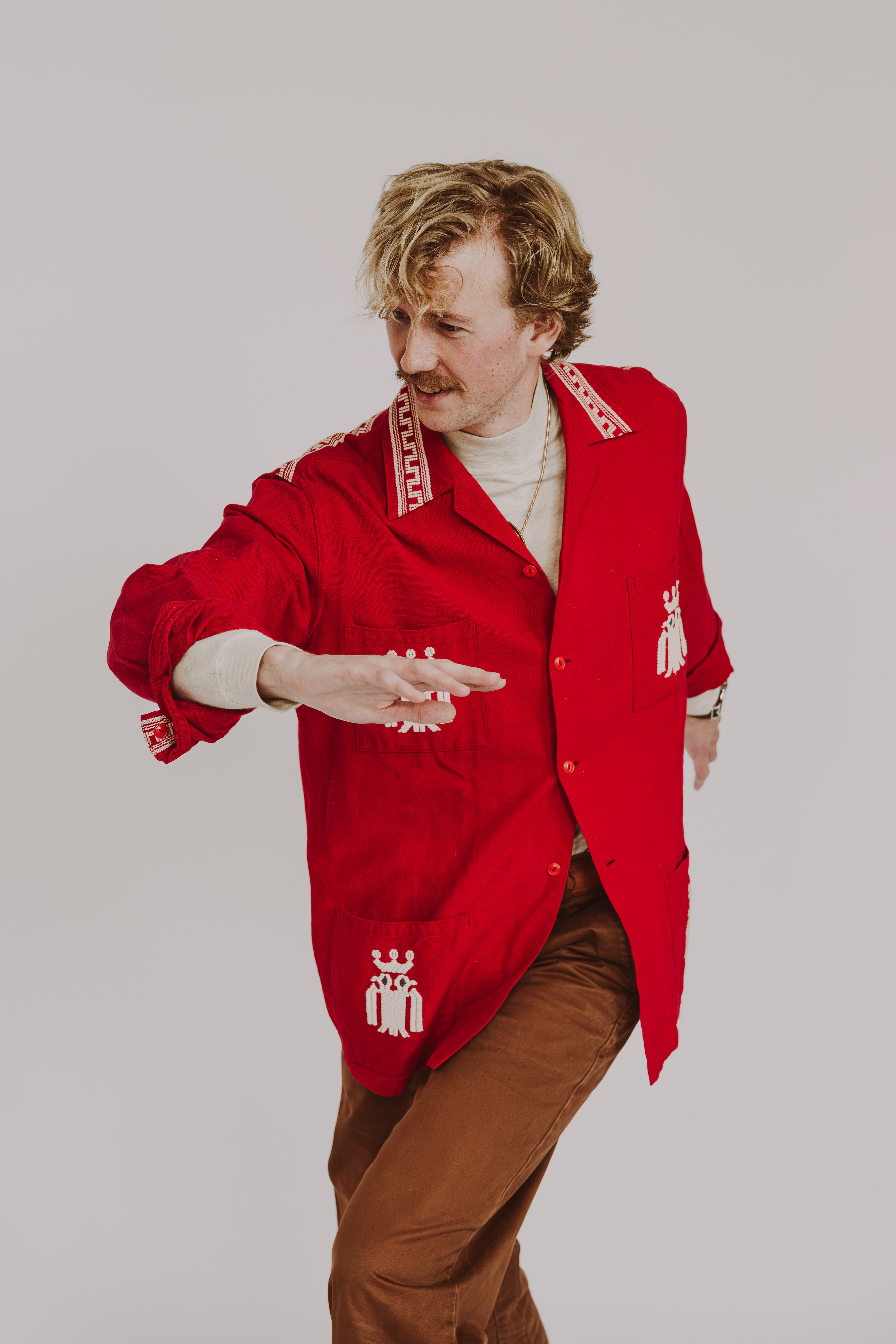
“In Maine there’s a different kind of style. It may not be what people are expecting from ‘fashion’. But it’s certainly there.”
Sometimes if I really love a look out in the wild, I’ll sneak a photo.
I would not dare! I’m much too nervous about that. Part of that is not wanting to bother people, but I’m also trying to be in the present moment instead of on my phone. If I see a good look out in the real world I’ll lock that away in my memory and then go home and look at my clothes and say, how could I do what they were doing?
There’s a certain element of fashion and style that is not-caring. Not even necessarily confidence in yourself, so much as, it doesn’t bother me how this looks, and thus it looks good. There’s a certain point where you’ve got to put the clothes on and then forget about them. Just exist and live, and I think it will look better for that.
I noticed that you brought three or four different long sleeved mock neck tees to the shoot today.
I’m addicted to these. I wait all year until it’s cold enough that I can start layering. I think I now own seven of these mock neck tees. I love them under a sweater — especially because the sweaters I tend to like are the itchiest, 100% wool that would absolutely ruin your skin if it touched you.
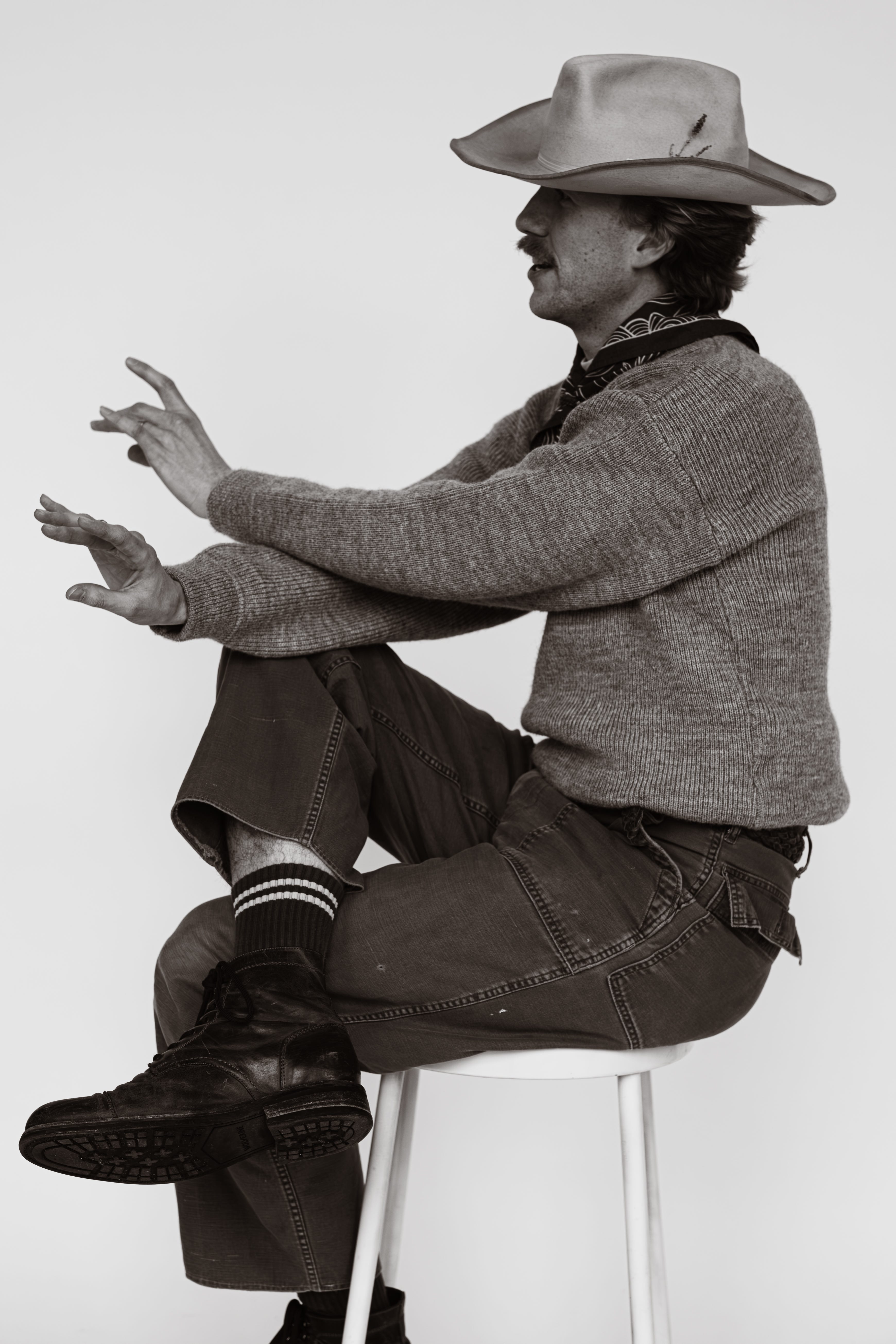
I love vintage sweaters with all my heart, but they will not be touching my bare skin at all costs [laughs]; these mock necks come in handy for that. I also just like doing different fits through layering. Like this sweater, it’s absolutely enormous, but I can tuck it into my overalls and you wouldn’t know that the sweater is like, 10 feet long. And I can roll up the sleeves and you see a well-fitted mock neck underneath. It’s a way of showing there is form to this, and there is a body underneath. I like the way those types of pieces interplay, the idea of loose with fitted.
Will you share with us the make and model?
These are from Land’s End. They’re super cheap, they’re 100% cotton mock neck. I bought one last year, and I loved it. So I bought two more right afterwards, and then this year we got a catalog in the mail from Land’s End, and at that point it was like, ok, you got me, sons of bitches! So I got two more in other colors.
The best part about the 100% thick cotton shirt is that, they will never die. These will be with you for a very long time.
That’s my goal. I want to keep these in my life forever. I truly just sit in summer and think about them, and I long for the days that I could wear them again, and then when it gets cold enough, I immediately jump to pull them out of the suitcase where they’re stuffed in the off season.
When I was growing up in Alaska, we very much had a household where you put on a sweater, and the thermostat was never going to be touched. If it was cold, you would put on another layer. So maybe I’ve just had that ingrained in me. I would love to have a big old drafty house. It would be my dream to be like, oh darn, gotta put on another sweater.
What’s your favorite vintage to shop in Portland?
I really love Little Ghost and Material Objects, for selection, and also price. Material Objects is especially good, I’ve gotten sweaters there, I’ve gotten boots, I’ve gotten all kinds of stuff. And these cowboy boots came from Little Ghosts, they were 30 bucks.
What’s your best vintage find from recent years?
This sweater is really high up there. This I got from a shop in Wellington, Kansas, which is where Lexi’s from. And these military pants are also high up there, they’ve got such cool character. I like the little paint splatter, and I like that they’re chopped super high. The waist doesn’t actually fit me, but I love them so much that I’m refusing to get rid of them.


It’s interesting that your favorite pieces fit the two different archetypes you described, either taking a really long time to decide [the pants], or buying it on the spot [the sweater].
Yeah with the pants I searched eBay for months and months, trying to find this specific OG107 Fatigue pant, and a certain era of it, too, before they changed the material it was made out of. I looked for a long time, so they were that end of the spectrum. And then this sweater, I just stumbled upon, but I have no regrets about this sweater. It has been good to me.
On life outside of style
We talked a little bit about your work at LeRoux, which is a kitchen store. How does your creative expression play out in that work?
There is a lot of aesthetic value to my job. I write a lot; I make newsletters and signage and advertising for the store, so that has some aesthetic challenge to it. There’s also the social media part of it, of being engaging and fun online, and then also the writing element of just making good words that are entertaining and informative and useful to people.
With style, you’re constantly taking in inspiration everywhere, it’s part of your life. How do you get inspired creatively for writing, is it a similar process?
There are food publications that I follow, the big ones like Food52 and Test Kitchen, things like that. I’ll read and find inspiration from those. It’s similar to what I’ve talked about with clothes. The things I think about sharing in the LeRoux Kitchen newsletter, for example, would be something like a pan that could last you forever and be a part of your life. Something that can actually serve you well and become part of your day to day rotation. I admire publications that give you a lot of value for what you’re reading. There’s so much content for content’s sake now, and I want something to feel like it has been worth your time to have read it.
I also get inspired by Substacks that I read for personal interest. For clothes there’s yours, or Blackbird Spyplane, but then I also read other ones, like Casual Archivist, which talks about different kinds of history and print and textile work and design. It’s very cool and instructive, but not really selling anything. I like the vibe of those newsletters, they have such a firm offering for the people who read them. I try to bring that into work at LeRoux. I don’t want the newsletter to just be presenting a thing to buy.
“In the same way that I have scuffs on my shoes, there’s a little bit of crust in my cast iron, and that’s flavor.”
You’ve built up a lot of good cookware as you’ve worked there over the years. Is there that pièce de résistance that you can’t live without?
We have a Staub 4-quart Dutch oven that is very nice — it’s a workhorse piece that you can use for everything. And it’s a good size for two people where you can make enough food for dinner plus leftovers. It’s sturdy and well built and we’ll have it forever. But we also have a little 10 ¼” Lodge skillet that was like 30 bucks. It’s so accessible in that way, and I use it every day to make breakfast. There’s nothing to it, it’s just a straightforward, raw cast iron pan. It’s a little gross, even, because it doesn’t get cleaned all the time, but it’s better that way. In the same way that I have scuffs on my shoes, there’s a little bit of crust in my cast iron, and that’s flavor.
You mentioned you have a favorite mushroom risotto that you make. Would you share your recipe?
Yes! The recipe is by Carla Lalli Music, whom we love. Great chef. I just made the risotto a couple weeks ago. It was amazing. Every time it gets cold, I want to make this recipe because it’s very hearty and warming.
Lastly, what are some of your fashion inspiration resources.
So GEOSTYLED is a big one :) I also like Albert Muzquiz, on IG he’s Edgy Albert and his Substack is The Midletter. I like that one a lot, it’s pretty short and sweet, but has a lot of western wear and workwear that I like.
Other than that, I’m mostly just watching people on the street. I’d say just go to a cool bar and sit and look at people. Go to Lambs and you’ll know what I mean. There’s a lot of inspiration around us every day. I’m trying to be less online these days, so I think I’m pulling a lot more from what I see out in the world. In Maine there’s a different kind of style. It may not be what people are expecting from “fashion”. But it’s certainly there.
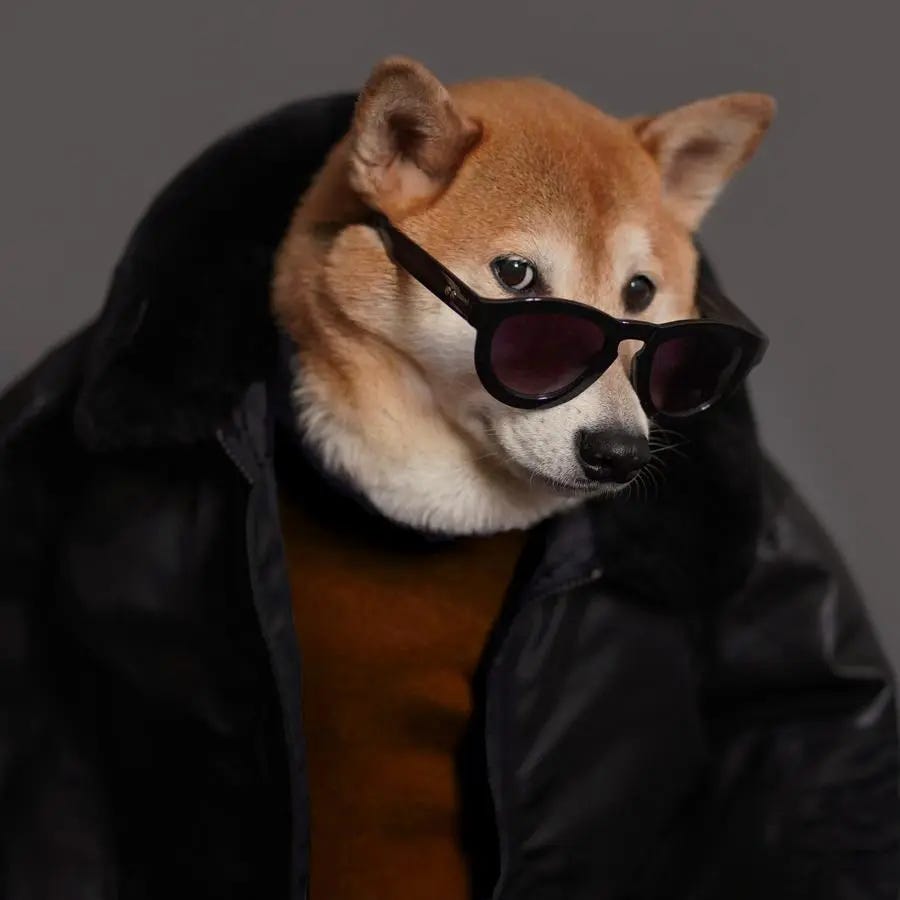
My final plug is for the late Menswear Dog. He was this little Shiba Inu that was very well dressed by his owner. He was in the game for a while — I think I started following when I was in high school and I got the book when I was in college — so maybe that set the stage for me caring about clothes. It’s the best dressed dog you’ve ever seen. It’s better dressed than all of us. ◊
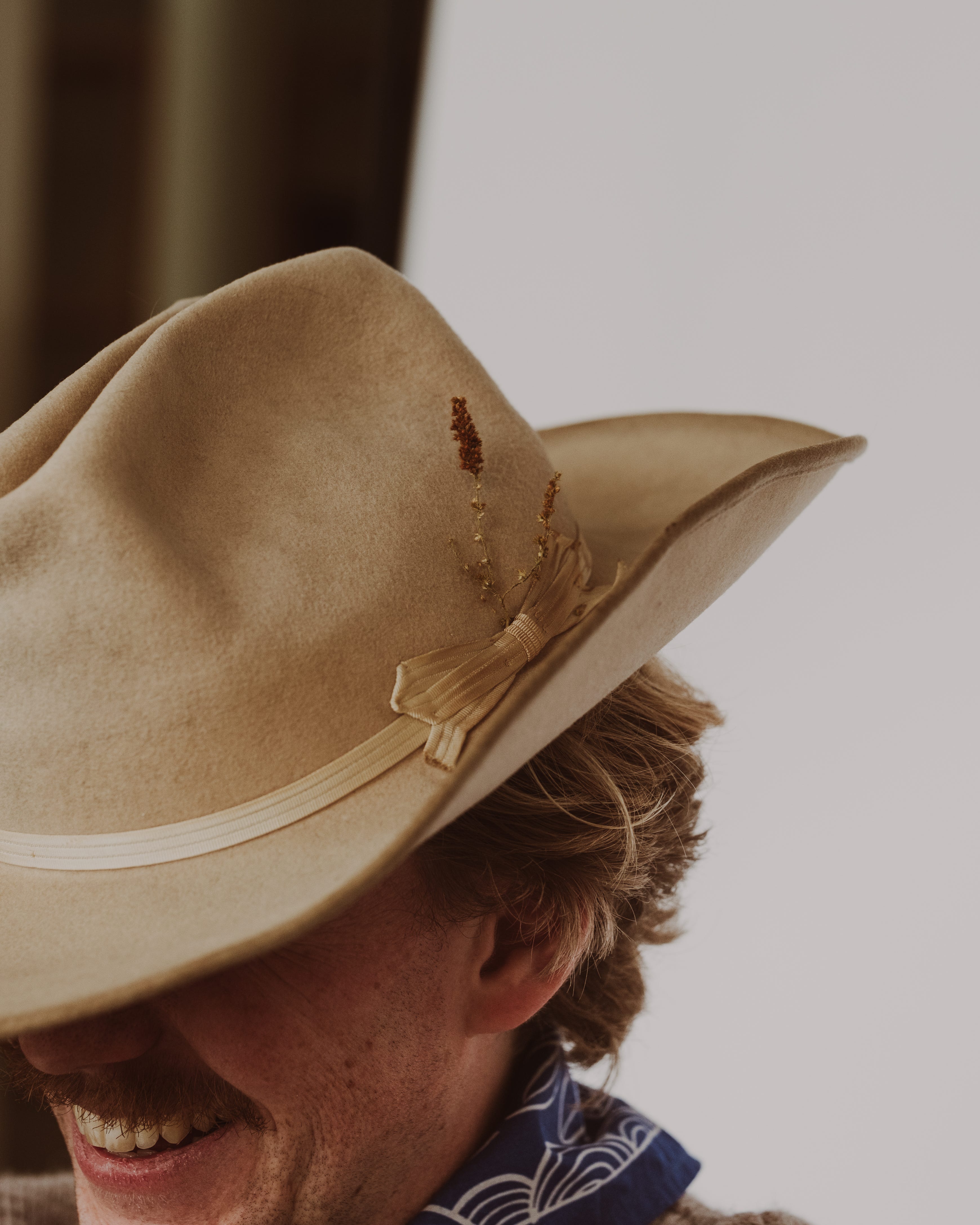
This interview has been edited and condensed. Follow Zach @zarcasticness for cool scenes from his cool life.
Georgia Dixon is a photographer living and working in Maine. GEOSTYLED is a substack where she writes about the art of getting dressed. For more content like this, follow on Instagram @geo.styled and receive weekly substack edits by becoming a subscriber.