

dress/code with Erin Arnold
"When I started the shop I really wanted to explore that impulse of, how do you make everyday clothes feel special."

Curator Erin Arnold talks about the style and meaning in her vintage brand, Minor Works. Her Bath home is the setting for her coveted IG drops, and we met there to see the famous stair landing where she models each collection. We talked big ideas like heritage brands partnering with vintage curators, how her sell-out collections come to life, and her advice for developing personal style.
Interview and portraits by Georgia Dixon | Bath, Maine August 14, 2025
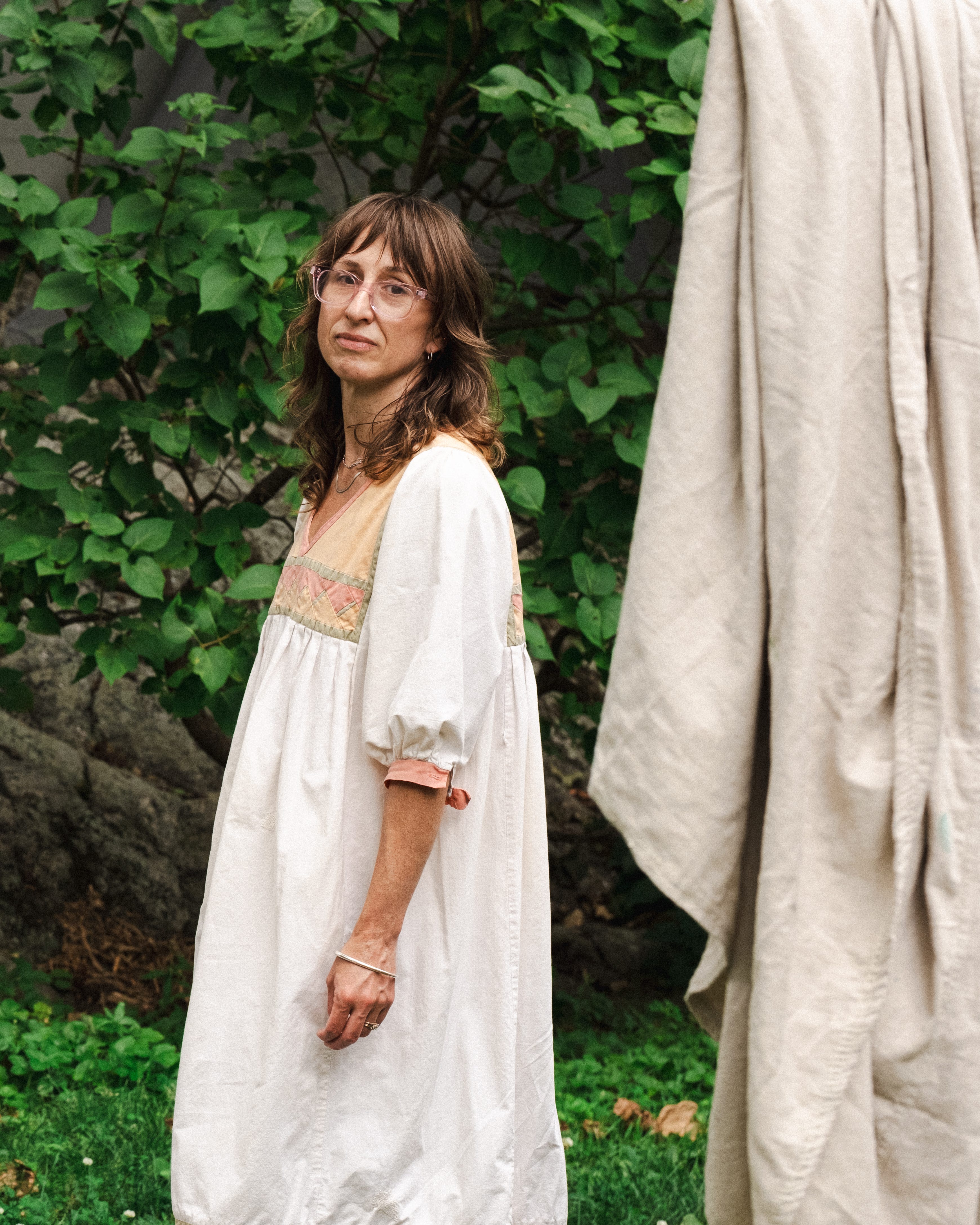
Can you talk about the vintage dress you wore for the profile?
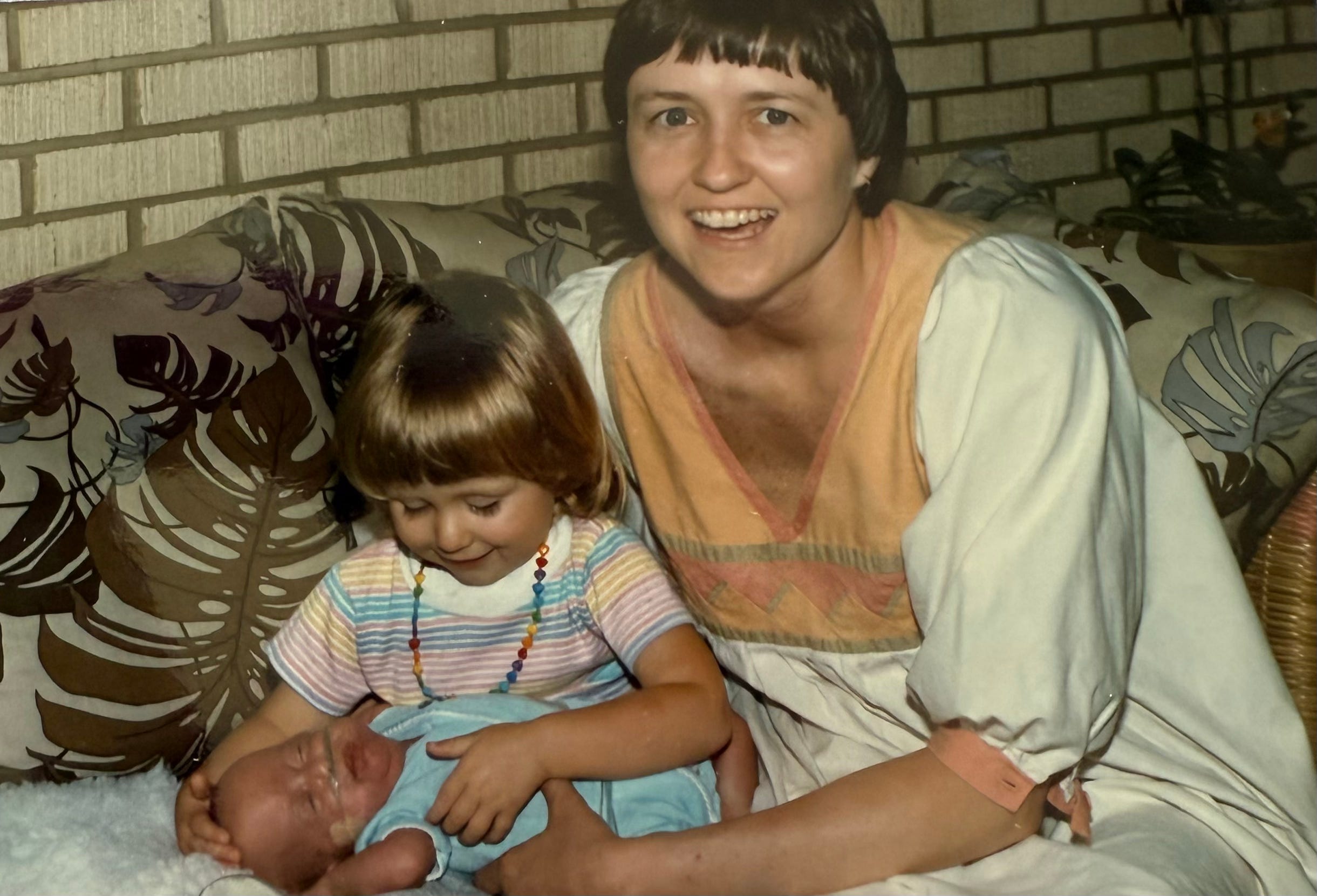
My mom bought this dress in the 70s and wore it often while we were kids. She gave it to me when I was in art school, I'd always coveted it. The fabric is really beautiful and substantial. I mended over the many areas of stains and wear over the years. (One of my favorite things about vintage whites is that they're usually already imperfect and ready to be worn fearlessly!) I wear it often but especially loved wearing it while pregnant with my daughters. There was something so special about wearing it at that time, knowing my mother had done the same.
You started your career as a painter. Are there aspects of that artistic process that spill over into your curation style?
Absolutely. People who have known me for a long time are like, Do you feel like your job now is enough? Is it creative enough? And my answer is always yes.
I painted a lot of interiors, but I was mostly interested in translating an idea of a thing, or recognizing the similarities between an object and its environment. So while you’re looking at the painting, you're making that leap from one object to another, one idea to another. I think that translates really well in a stylistic space.
As I'm pulling pieces together for a collection, I'm sort of developing this palette of colors and textures. The idea that I start with is always about shape or about function, and then as I'm pulling in the color and the texture, I start to expand on that theme. The original idea always gets pushed by seeing the whole stack of items together. That's when it gets very interesting to me. I think about each look as a sort of sketch.
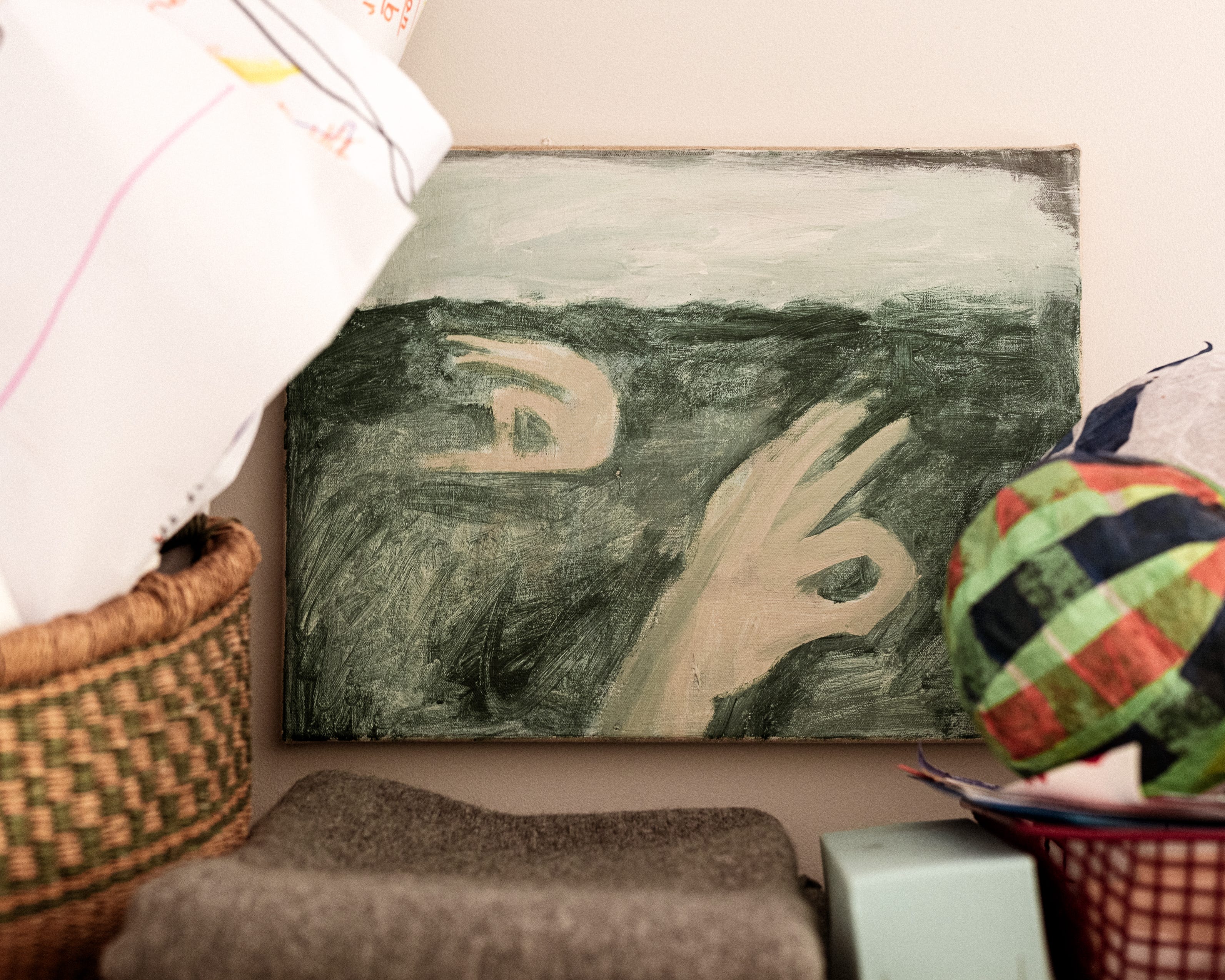
I like that translation process. The connection [between painting and curating] totally makes sense to me, it takes a particular eye to see an object and place it into this narrative of how to perceive it.
Especially with basics. I really, really love basics, right, but they're so boring if you're just looking at it on the rack. So thinking about how to pull that into a different space for the viewer — especially through photography — to show things like, this is how this shape hangs, how it drapes, how it feels on the body. Conveying that is important. It’s the context of each basic leading into the next that helps people really understand what that piece could do within their wardrobe.
I'm always going back to that sketch idea trying to find the simplest expression of each piece.
A lot of style is not what you wear, but how you wear it, which is why basics can be so good in the right context. I love that part of your whole process, the fact that there's an artistic vision behind each collection. It sounds like you start with an idea of a collection and build upon it, how does that normally start?
Usually it starts with an idea of how to wear something. It could be a loose basics idea. Or I often do Linen + Friends collections, where it’s maybe actually made of linen, or garments that feel more free form, more flowy and fluid, and then as I sift through all of the pieces that I have that could qualify for that collection, I become more aware of how I plan to style it, and that helps me edit it down even further.
I'm always going back to that sketch idea trying to find the simplest expression of each piece. Maybe it’s a collection of dresses and tops, and I want to wear them all with the same shoes, or every top with the same pair of pants. And if there's something that doesn't go, that gets dropped from the collection.


We talked about how many brands — from heritage to fast fashion — are incorporating vintage collections into their product mix. You mentioned a collaboration between a notable outdoor brand, L.L. Bean, and a big name in the vintage world, Wooden Sleepers. You had some interesting thoughts when we talked about it before — why do you think partnerships like that matter?
As a vintage seller, I think it's easy to have a knee-jerk reaction to seeing larger brands trying to capitalize on it. For me, I see a lot of heritage brands trying to figure out how they're going to incorporate a vintage story into their brand, and I think that impulse is good, you know, whether it's going to be an homage to their brand, a sustainability effort in some very small — probably greenwashing — way (laughs).
But ultimately I think it feels pretty hollow when brands try to do this alone, right, it just feels like a website add-on. Vintage curation is so nuanced, and seeing brands like L.L. Bean engage a vintage specialist to help them celebrate their archive in a meaningful way seems like a small step in the right direction. It’s also something that, at a very basic level, is expanding mindshare for the vintage space.
There’s still a lot of people out there saying ew, old clothes! But I see it shifting on a large scale, which is awesome. The more collabs that are out there, and the more big brands may be expanding that reach, it helps more people say, wow, I might appreciate secondhand. To me, that's super important. Sure, vintage is a product — but it's also a vehicle for conversation about cultural relevancy, circular fashion, and the way clothing is made and cared for.
I've become more aware of these partnerships in the last, I don't know, two or so years. Was it happening before that, do you think?
Definitely. There are definitely brands that have been doing it for a longer period of time. Again, imperfectly, but helping expand mindshare for the vintage market. Brands like Urban Outfitters, and even Free People have had vintage — especially within online sales — for quite some time. I'm not necessarily bringing that up as where people should go buy vintage, but I think that is a great gateway to your everyday shopper experiencing curated vintage in a way that makes it more accessible.
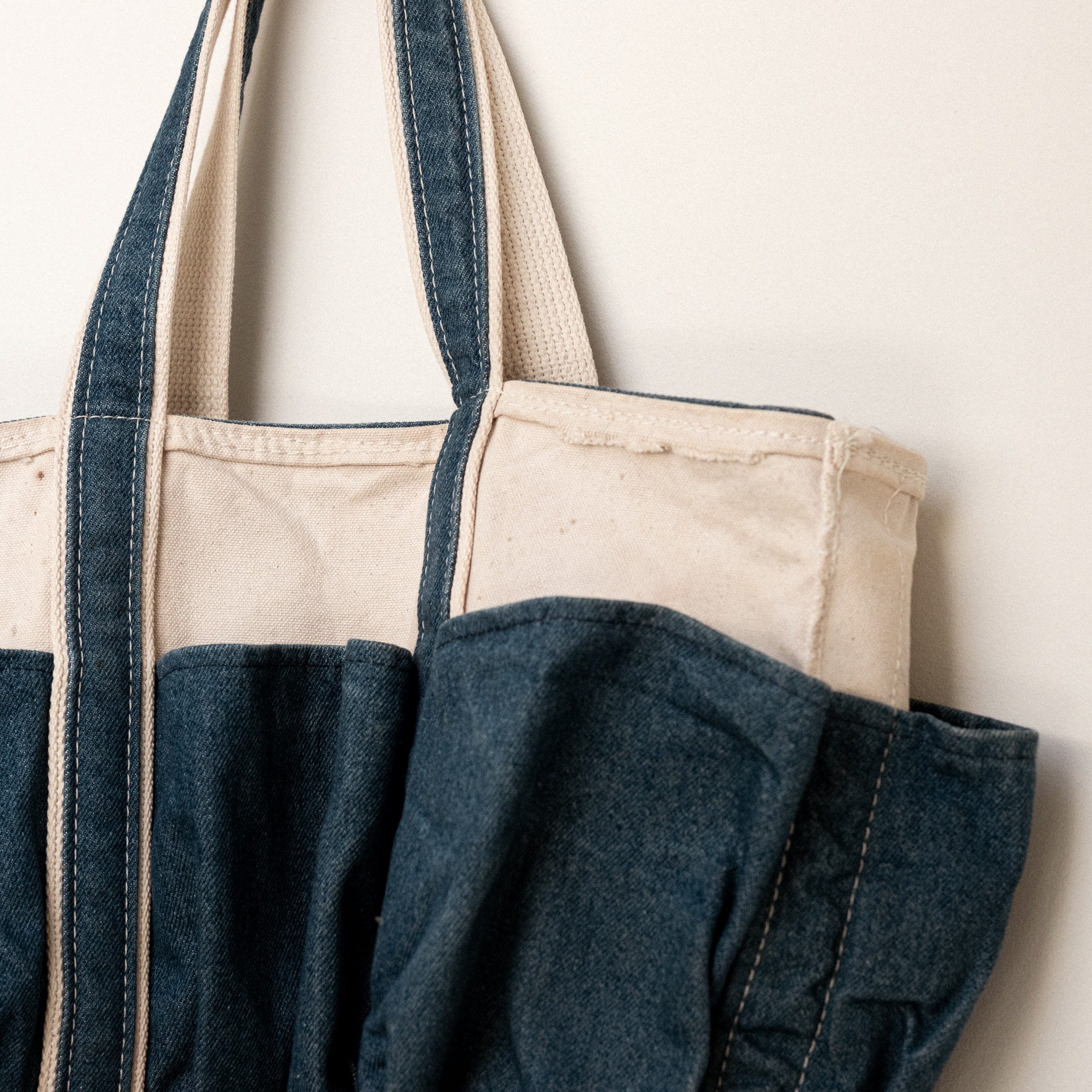
The authority that comes from having a curator, like Brian Davis of Wooden Sleepers, talking about these old Bean pieces with passion, might make somebody see something in their closet and want to revitalize it. Which is ultimately part of the bigger picture of circular fashion, too. It's not just about consuming more old stuff. It's about appreciating your old stuff and making it have a long life.
As a vintage curator, you hope to make sales, sure, but ultimately you're really hoping that more people are buying secondhand and that there's new energy and interest around old stuff. It absolutely makes me so happy when people message me to say, hey, when I'm in a [style] rut, I look at your page, and it gives me some ideas of how to style the things I already own. And they'll send me some photos, and it's just really nice to see that happening. Sometimes all it takes is a re-contextualization of a piece to see how it fits into a modern wardrobe.
When I was growing up and shopping vintage, the vintage lifestyle was a type. You looked like you're wearing vintage. So I think the game changer is realizing that you can look fresh and modern in an old shirt. Buy the pair of really well-fitting slow fashion pants that you've been lusting after, and then pair it with a whole stack of vintage t-shirts. Or …you could be wearing head to toe vintage, and no one would know. It depends on what you pick and how you wear it.
I really wanted to explore that impulse of: how do you make everyday clothes feel special.
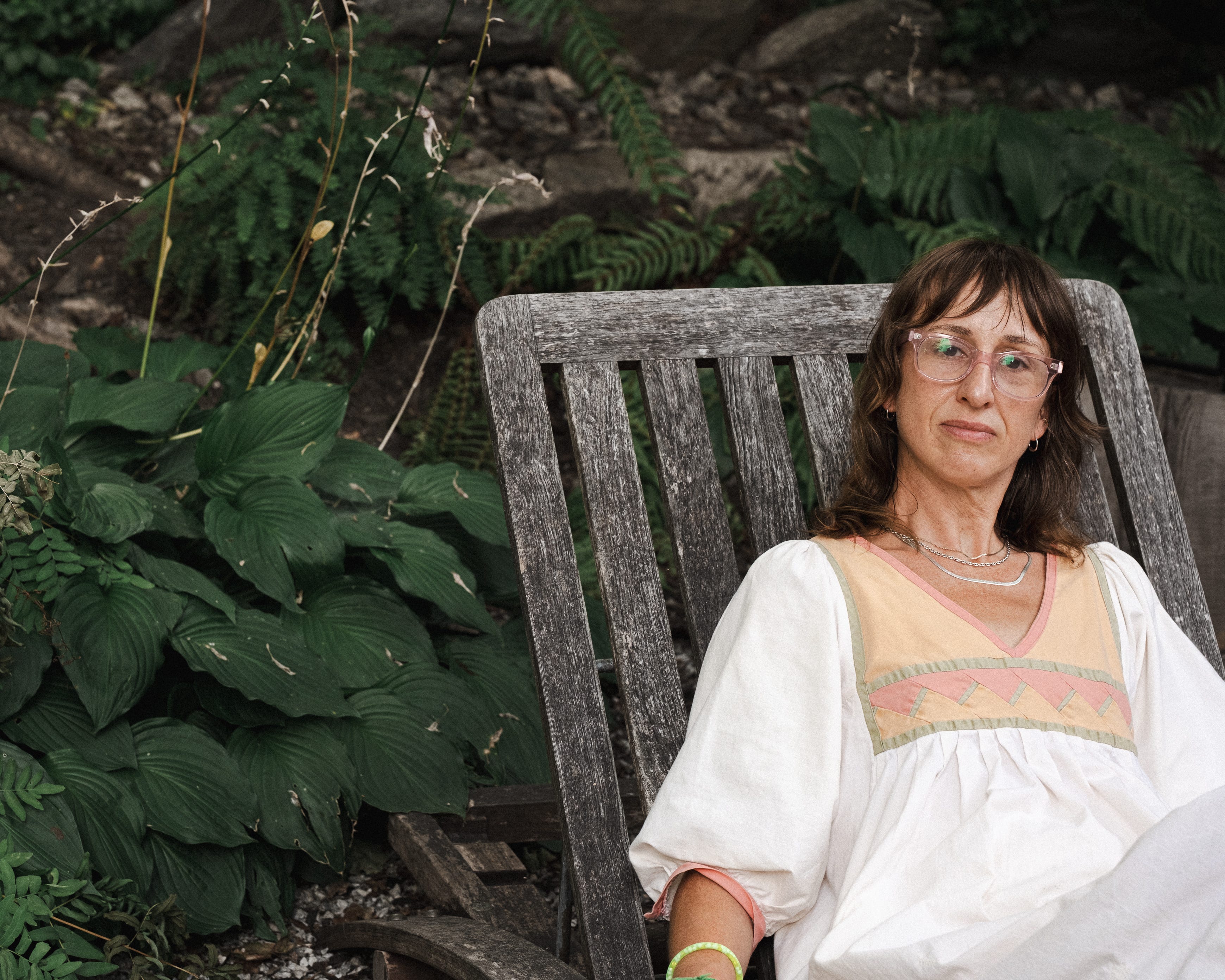
Part of your brand is styling each collection so that your audience understands how to wear a piece within their own wardrobe. Even if someone doesn’t buy from that drop, you’re happy if they leave your IG with an idea for how to style their own closet or their next vintage find. I love that ethos and wanted to know what advice you have for developing a personal sense of style.
It’s hard because it's so personal, but, you know, for me, comfort is the cornerstone of how I style and what I like to wear. If you're not comfortable in it, you're not going to look good in it, right? Start with shapes that feel right for you and then maybe set some rules. Like for me: I'm not a fussy dresser. I like to wear one piece and not have to add anything to it. If I feel like adding something to it, great, but if I am thinking about purchasing something or keeping something that I sourced, if I can't think of four to five things I can wear it with, it's out. Understanding what your own limits are as a dresser, like how much effort you want to put in every day, can be really helpful.
I love this big idea of a uniform. I think that's a big part of the style conversation now. Find the shapes that you like, the colors that you like, the fabrics that you like, and what you're comfortable in. And then don't worry about everything else out there that's not for you.
Right! Like my kids wear tons of pattern. I love, love the way that they wear pattern. But it's not really for me. I am a small person. I get overwhelmed easily by patterns. So I limit my wardrobe to classic patterns only. Polka dots, yes. Stripes, yes. Plaid, like, a very classic plaid, yes. Anything else is probably not going to fly for me. There are just things that I'm not really going to wear, or I'm not going to feel like me in. Making those rules can be really helpful to dressing more effortlessly, which I think is what most people want.
You described your former NYC style as, corporate fashion girl, and then when you moved to Maine, you were offloading a lot of those clothes and kind of naturally morphed into what you're doing now. What are the biggest shifts in how you're getting dressed now versus when you lived in New York, and what are the most important elements when you put together an outfit?
I dress super practical now, and definitely always for comfort. I don't wear heels anymore. I wear a lot of denim. I wear a lot of linen. It's still a lot of the shapes that I wore before. I loved dressing up, and now I love dressing down.
One of the things I love about vintage is you can find the pieces that have already been time tested. You know they're just going to get better the more wear you add to them.
What did dressing up look like for you, was it suits?
I definitely wore suits. Not every day. It depended on the environment. I was in commercial design and construction, so I sometimes would be on a job site, and then other times I would be more client-facing. I traveled every week for work, so I got very good at the capsule wardrobe, which I think translates well to what I do now.
The capsule for that point in my life was very different. I was still experimenting a lot, taking more inspiration from street fashion. Travel inspired reinvention: I dressed a little bit differently depending on where I was headed. I definitely over-consumed. I did a lot of sample sales.
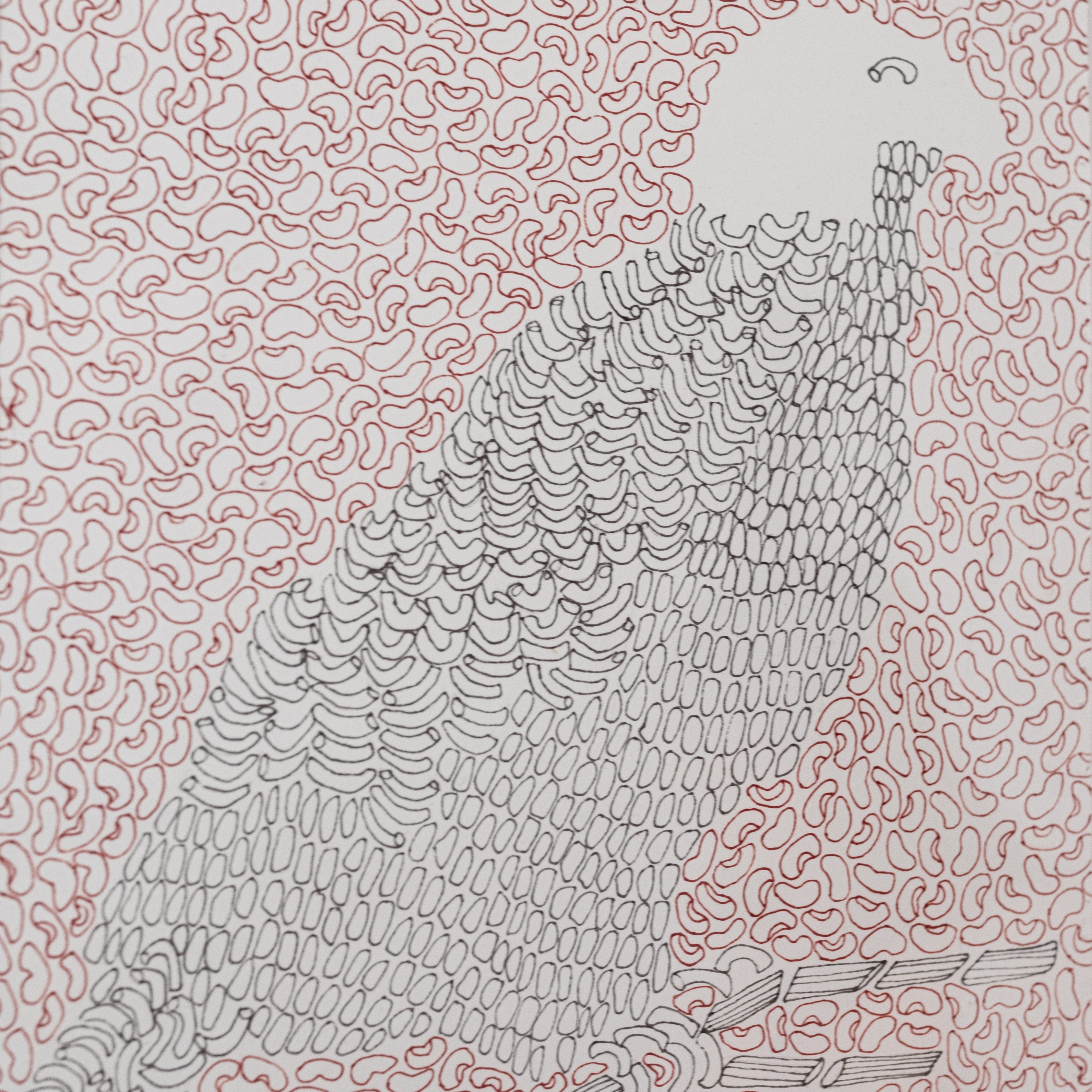
When in New York, go to sample sales.
I had a lot of things that I could talk myself into because, I'm going to this event, or I would definitely wear that when I'm in Dallas, etc. But once you have a little bit more of a single-channel life, like I do now, it's easier to say to myself, I really won't wear this. That's really not me.
Now I tend to gravitate towards a few core pieces that feel right each season. You were mentioning uniform dressing. I love outfit repeating. I love it. Highly recommend it. For every season there’s maybe five or six uniforms I might have that are for different things that I do, and it makes it really easy to get dressed. You can always swap things out if you're feeling differently, but it's nice to have a go-to.
Is there a through line between the different uniforms?
Oh absolutely. It's mostly fabrics and shapes. I love volume, so either a top with a lot of swing to it or bottoms that have more volume. It's always one or the other. A lot of big shirts, like, big oversized button-downs.
If you have a go-to layer, that's always really great. Like, all summer I've liked to wear a sweatshirt over my button-down. It's a little lighter than a sweater. If I'm going out on the boat, if I'm going to be at a beach picnic, that’s what I'm going to wear. It might be a different sweatshirt or it might be a different shirt, but generally that's going to be my layering strategy.
Speaking of oversized shirts, the men's buttondown is a pretty regular occurrence in your capsules. What is it about that garment that keeps you returning back to it?
Volume. Ease. You can wear it a million different ways. You can wear it unbuttoned, buttoned. It looks different on every body. You can layer it through the seasons. It's just such an easy piece.
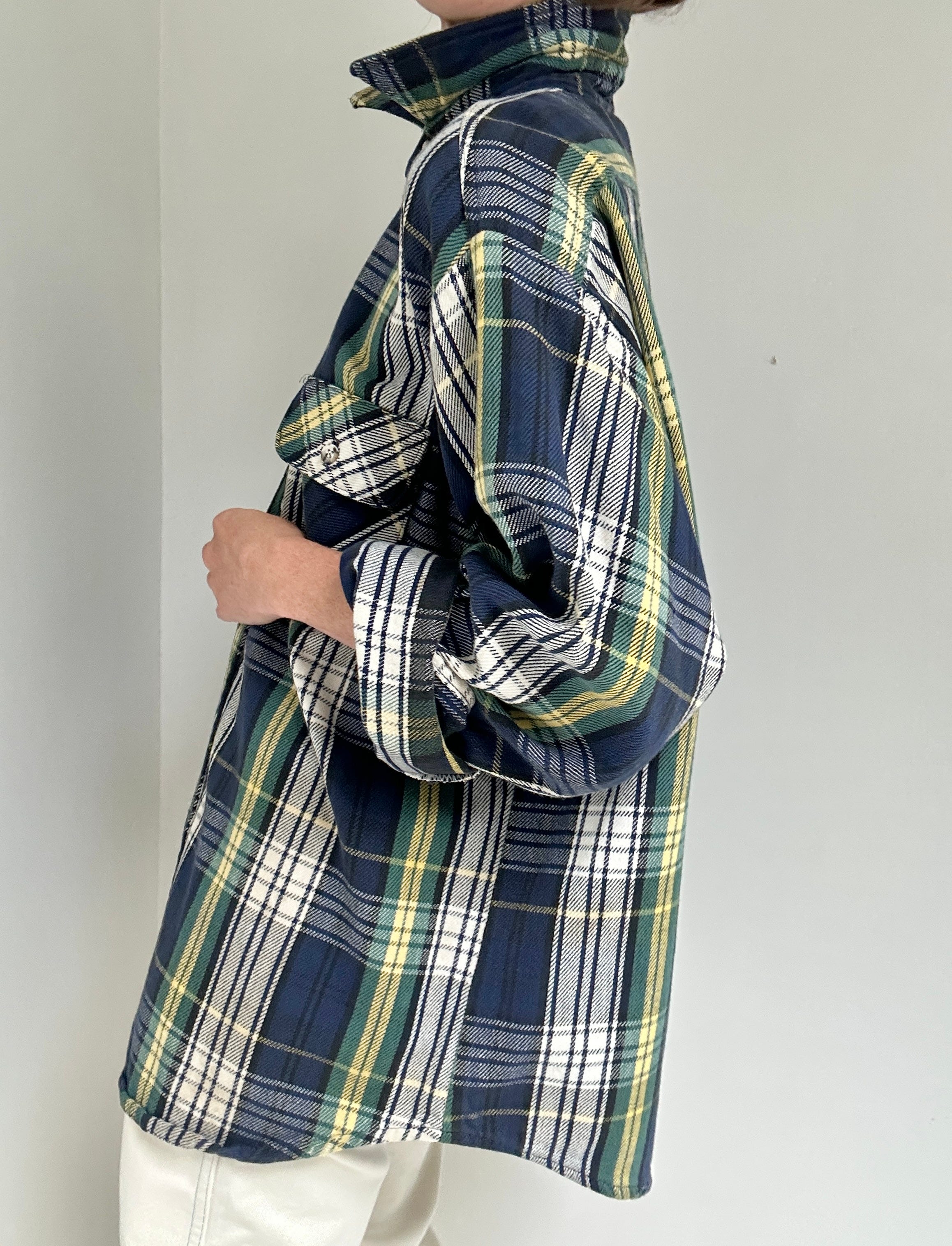
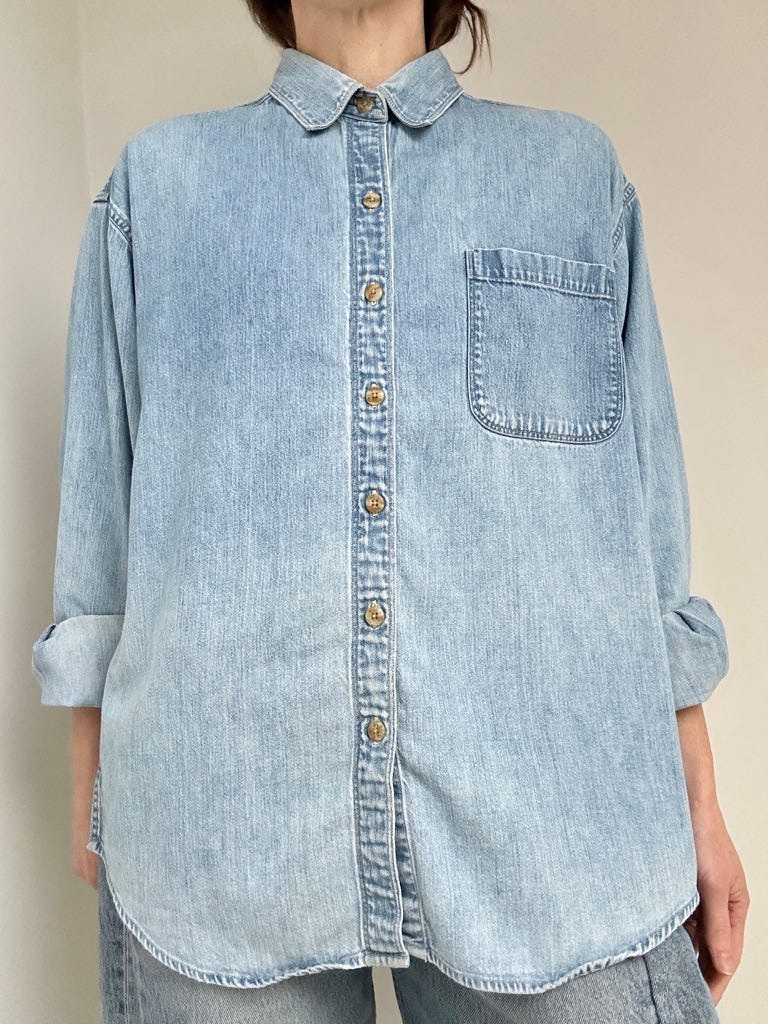
I think utility is so important. It's so important to me. When I started the shop, I really wanted to explore that impulse of how do you make everyday clothes feel special or really imbue them with a sense of self? And one of the things I love about vintage is you can find the pieces that have already been time tested and you know that they're just going to get better the more wear you add to them. It's not like you're walking around being worried that you're going to stain it or damage it in some way, which I used to feel that way about a lot of the clothes I owned. Like, oh my dry cleaning bill will be so expensive or I'll never be able to wear this because it’s a really precious fabric. So now I'm always looking for things, like a button down, that you can mend, you could add new buttons, you could over-dye it and it has all these opportunities for more life.
That’s also where the name Minor Works came from, these objects that are in the service of the larger practice that someone has. Pieces that help you communicate who you are, tell your story, and leave you freer to create that work and just engage more fully in your life.
I always liked men's buttondowns because they're very open and usually they're kind of straight down and women's shirts are often over-tailored.
They're the worst! You'll notice I try to never stock anything like that, like shirts with darts or high armpits. You need a nice volumetric, easy fit shape. Part of selling online is that you want people to receive the item and think, wow this fits better than I thought, the quality is higher than I thought, and not oh, this hits in all the wrong places. The more you have the feminine body-shaped and structured piece, the fewer people are actually going to fit into it well.
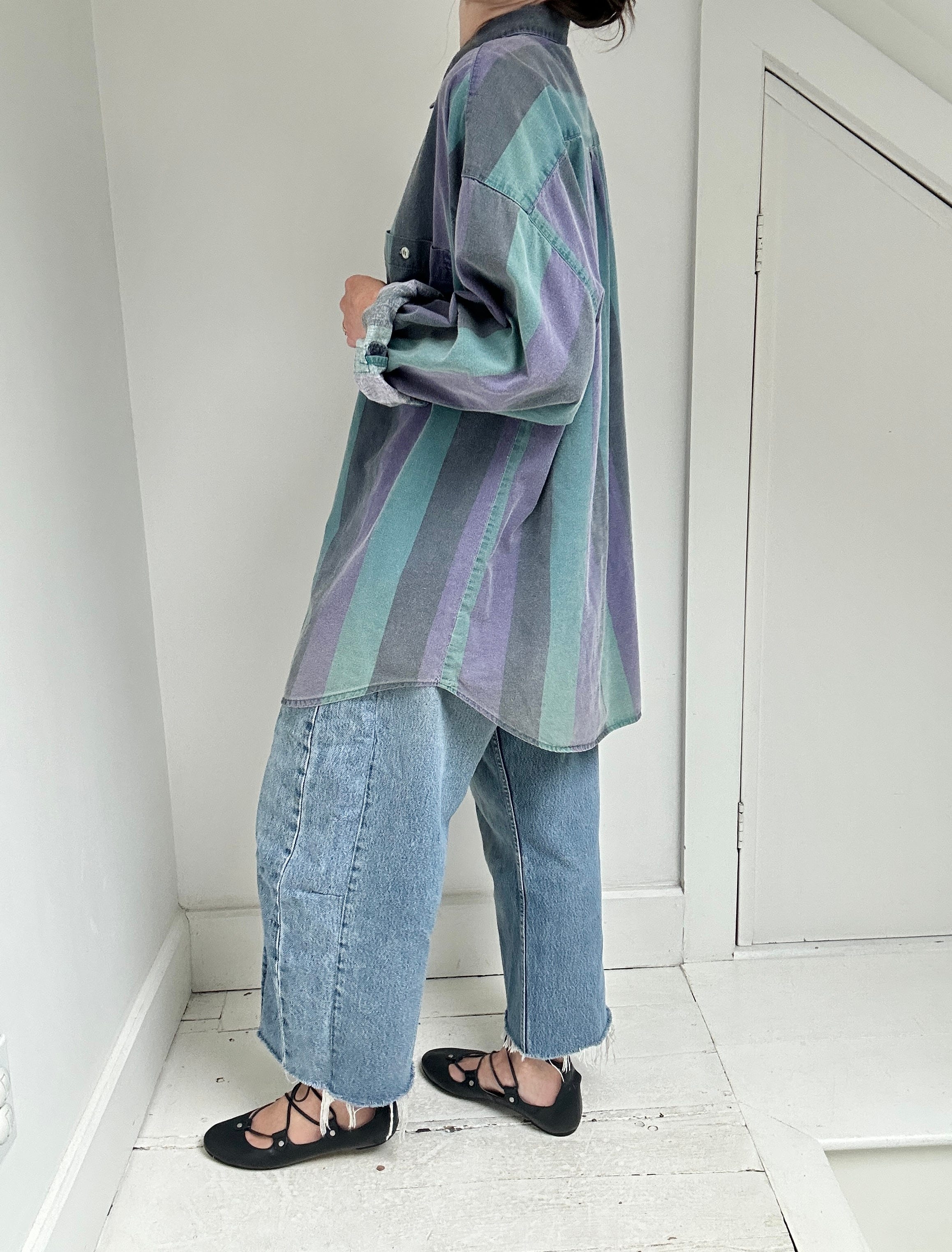
Your collections are very timeless, classic cuts, forever fabrics — but we’ve also chatted about trends a little bit, things that come into the style zeitgeist. Are there any trends right now that you're into?
Gosh I feel like that one's hard. I don't feel like I have a lot of opportunity in Maine to see trends until they've become played out. I will say, all summer my kids have been wearing these vintage Umbros that I found and they just make me so happy. I love all the adults that I see wearing that uniform to the beach now. There's something about that nostalgia for a specific point in my childhood that just feels really happy.
Who/what is inspiring how you're getting dressed these days?
I love reading Blackbird Spyplane. I love looking at art and getting outside.
I don't have a lot of free time in this season of life, so probably the biggest inspiration for me right now is what my kids wear and what my kids like. They wear almost exclusively vintage and they put together the best combinations!
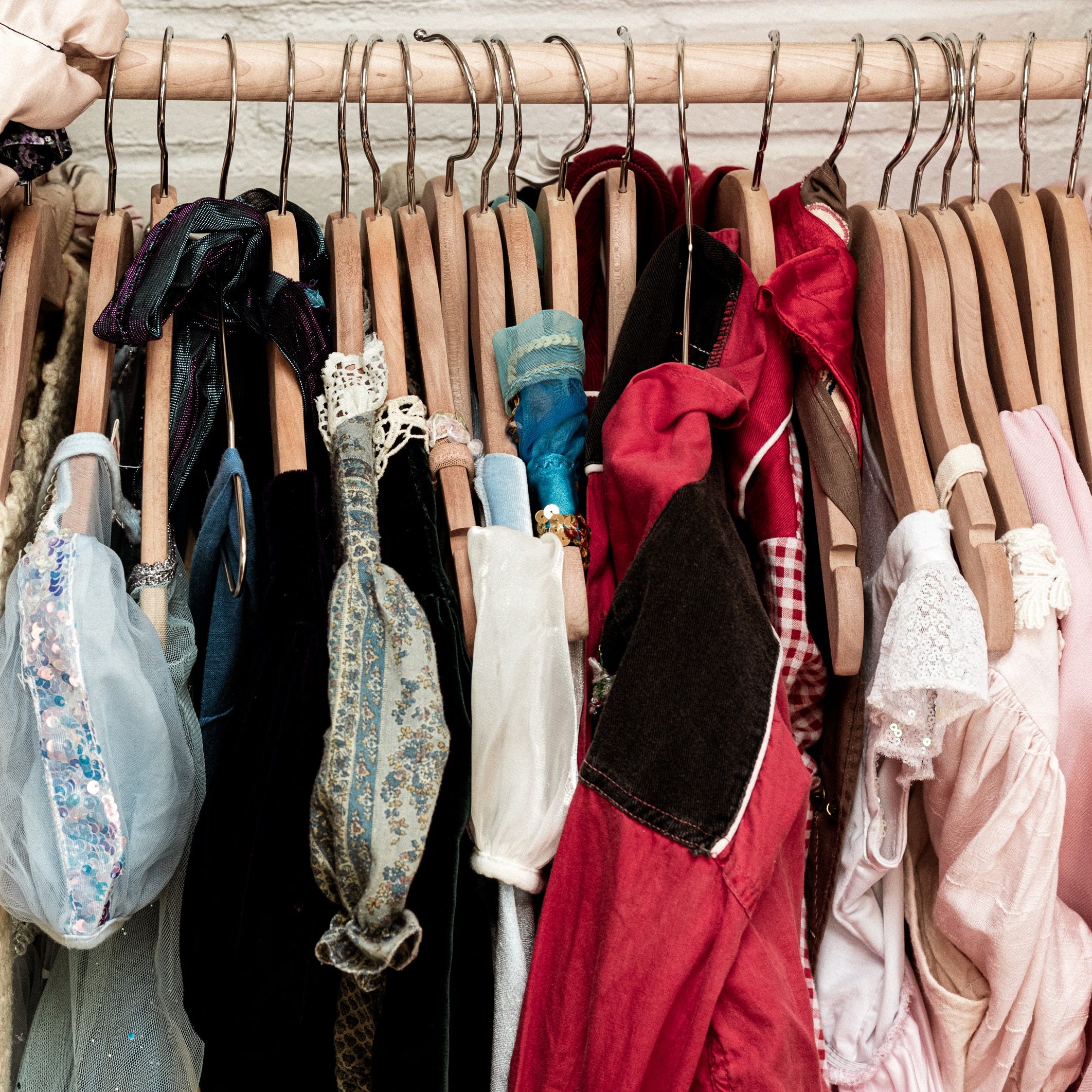
I’ll see something they’re wearing and immediately go into the studio and I'm like, do I have a print like that? I want to see those things together again and try to think through how to do it in an adult way or in a way that you could wear it and not look totally unhinged.
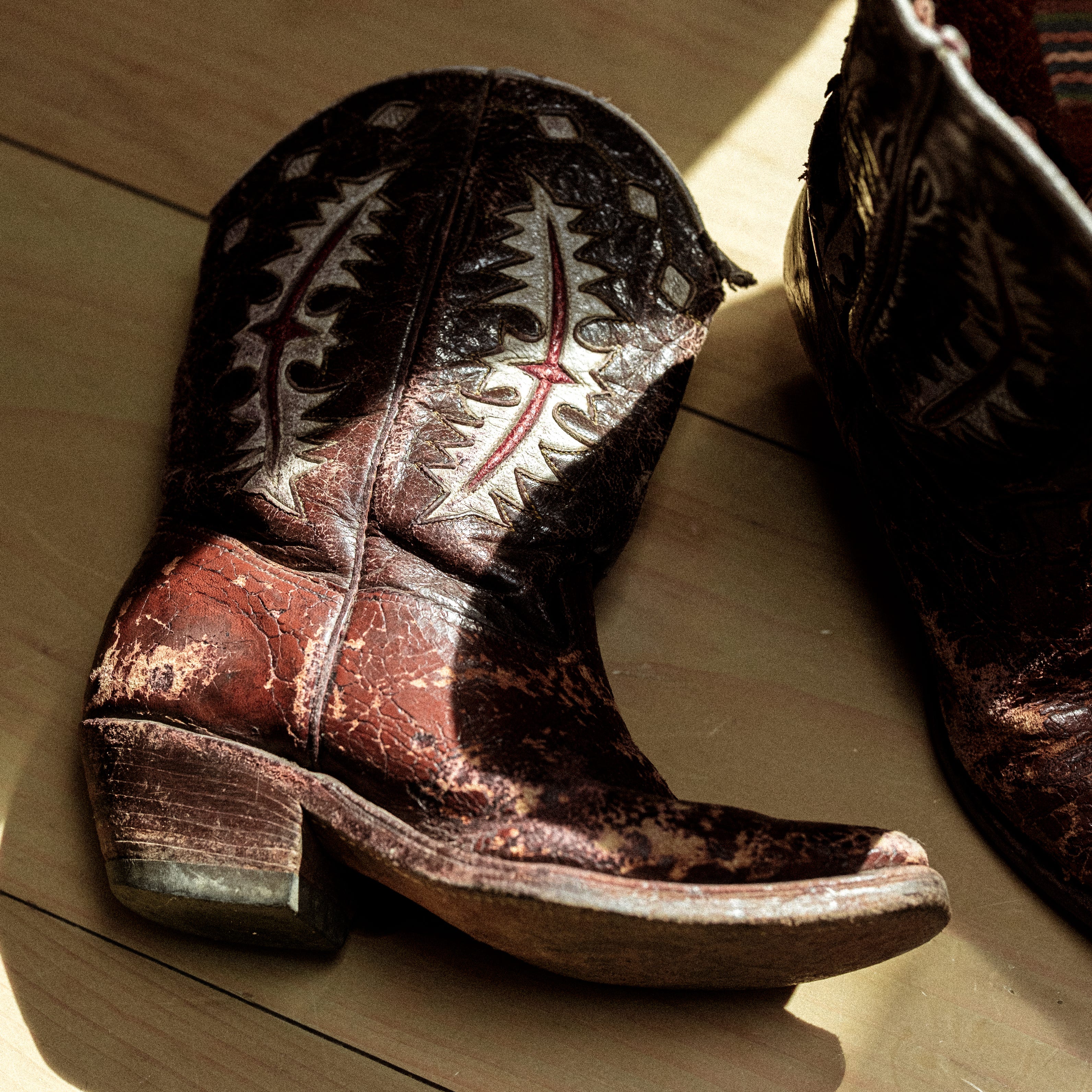
Some designers that are doing it really well: KasMaria. I’m always really impressed by all of the prints in her creations.
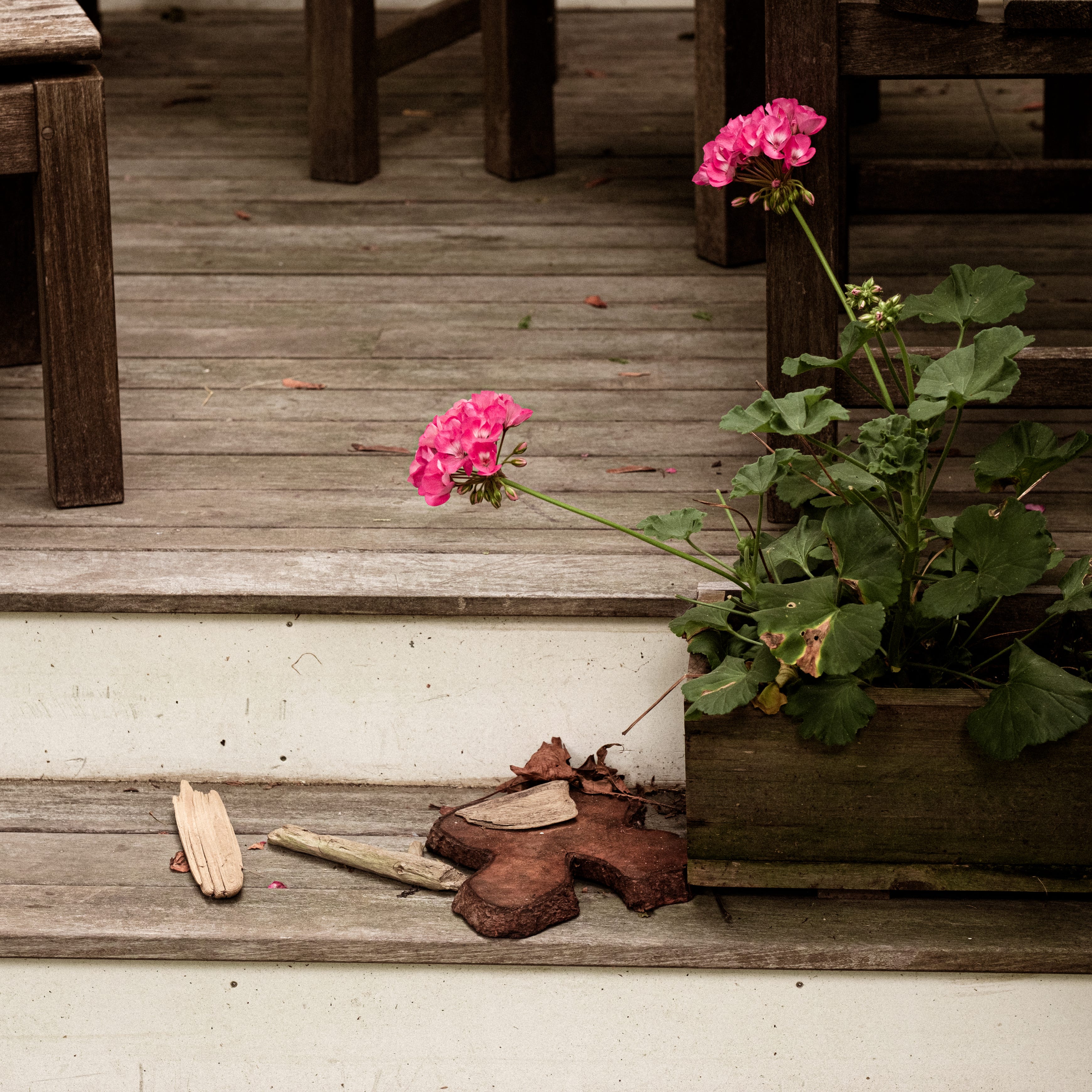
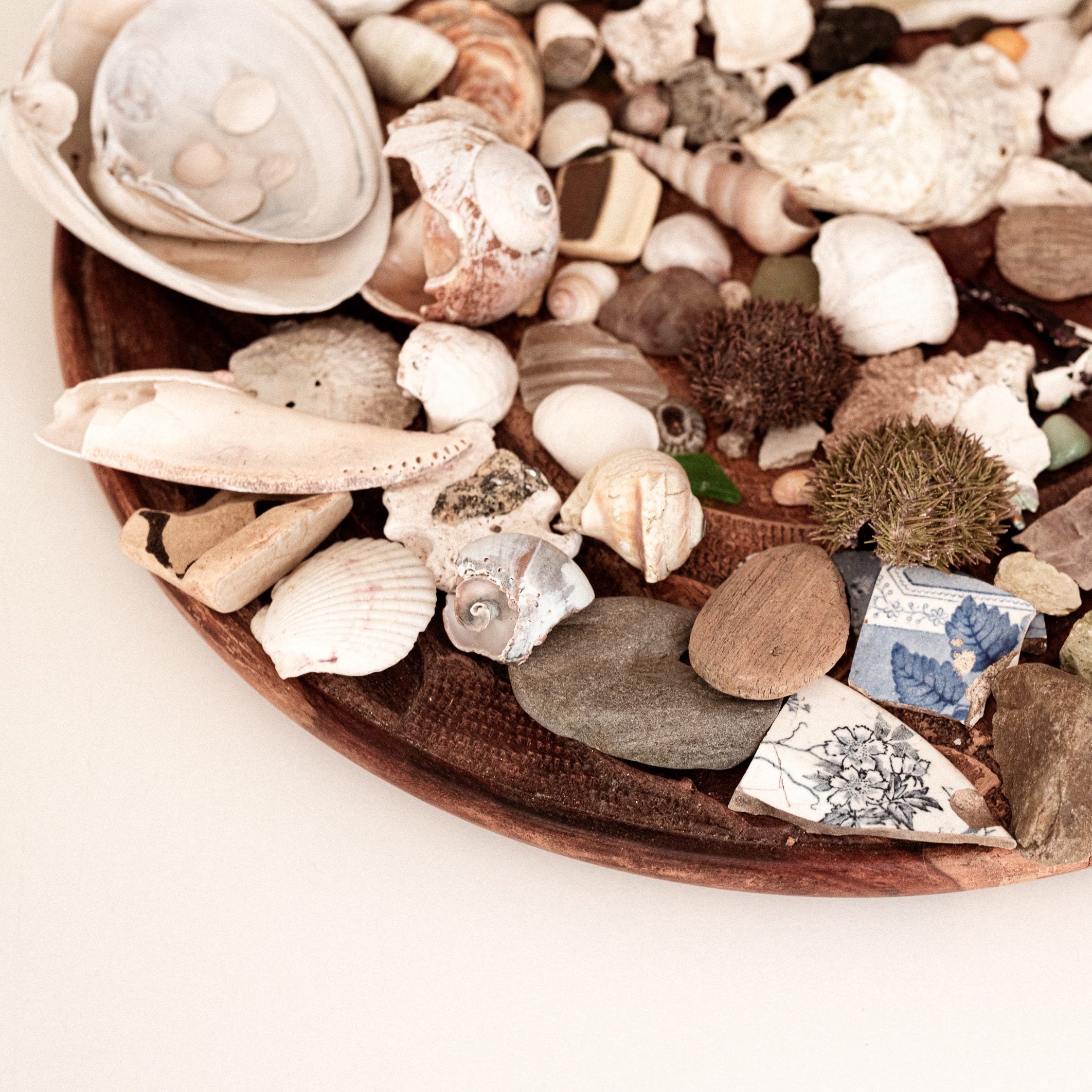
And as far as palettes, I'm most inspired by nature, like this collection of objects that my kids found.
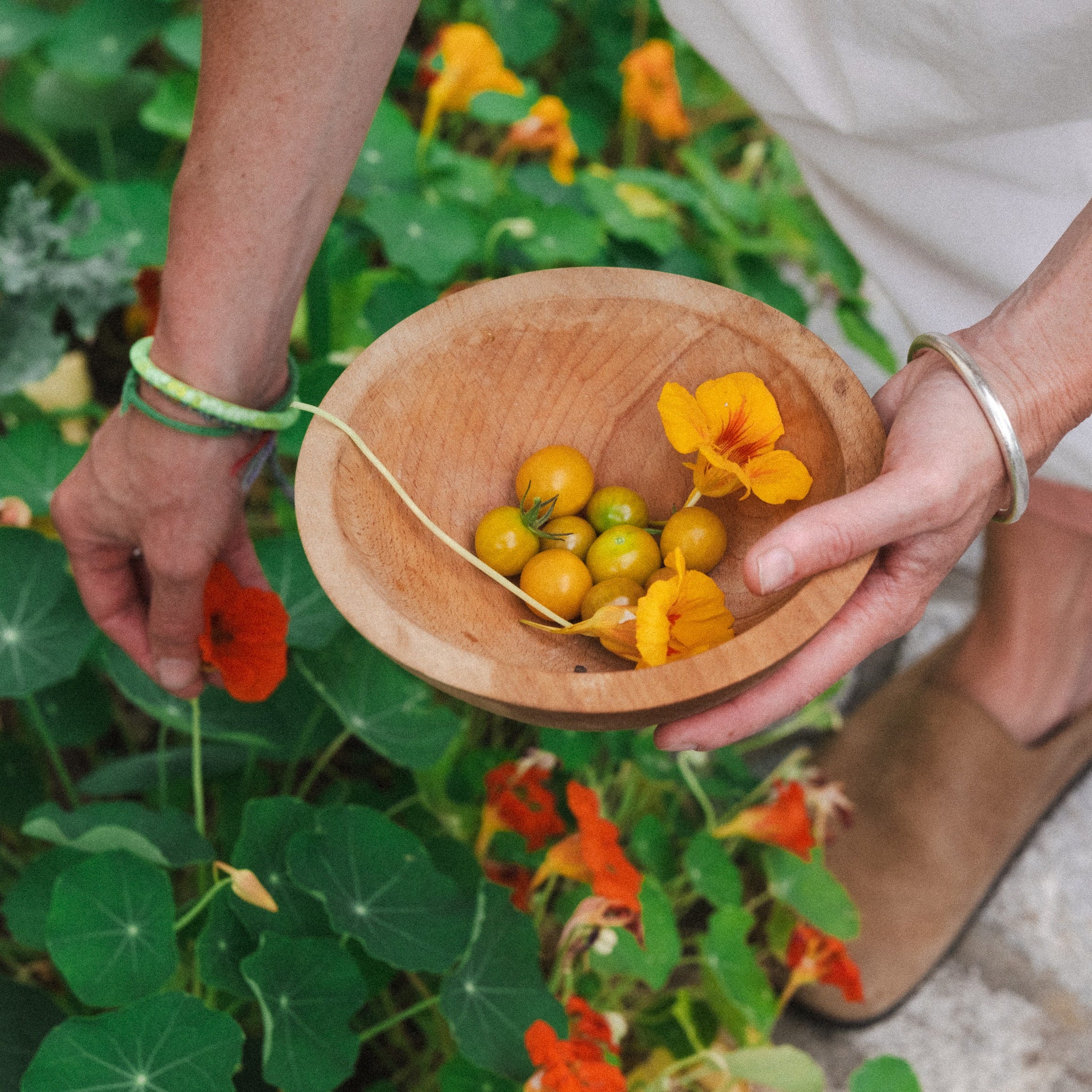
Or the bounty that comes in from the garden. Those palettes are so beautiful and I immediately want to put together basics that exemplify this garden haul. In my personal dressing I'm not big on color, so it's always about layering it in mindfully.
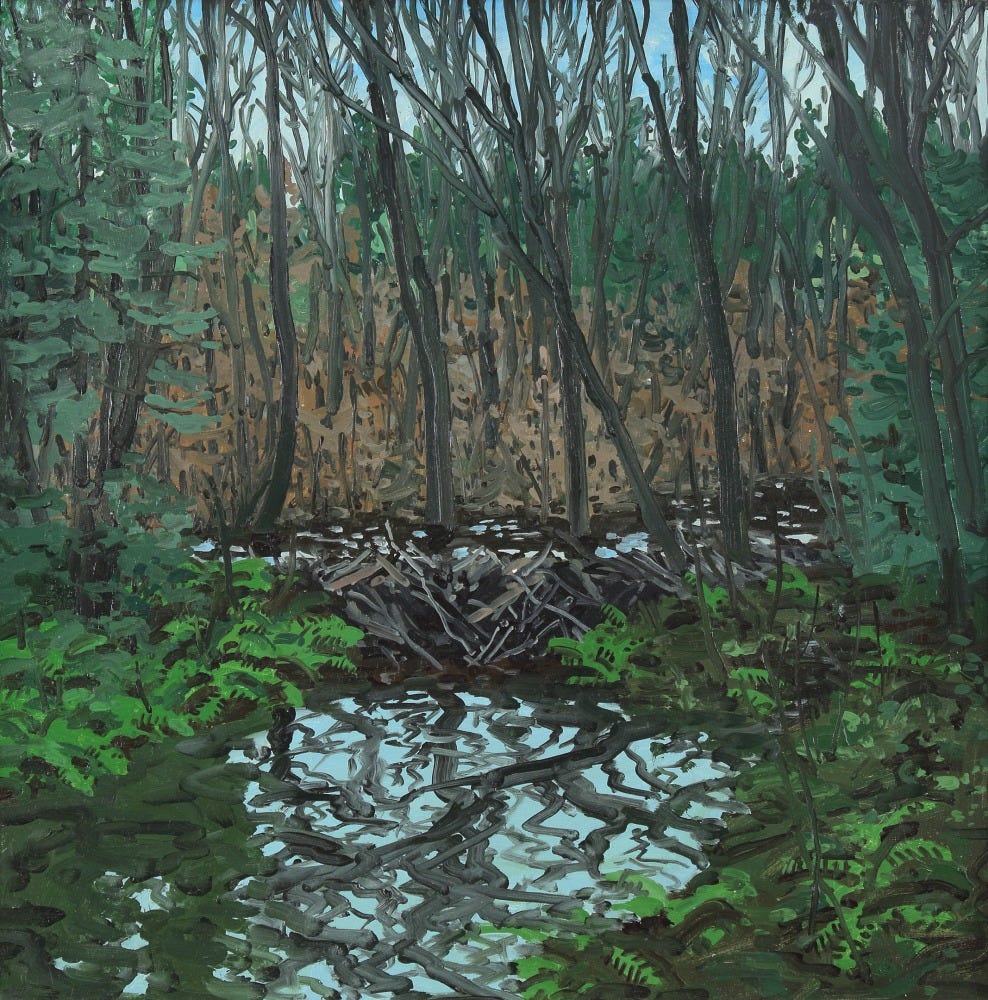
I recently saw a Neil Welliver show in Rockport. The work is very meditative. It always helps me to see the artistic implications of certain colors together, to appreciate those pairings and vibrations in a different space.
This interview has been edited and condensed. Follow @minor.works to see collections styled & curated by Erin.
Part II to follow, featuring Erin’s top 5 wardrobe essentials, favorite vintage to shop in Maine, and more. Stay tuned!
Georgia Dixon is a photographer living and working in Maine. GEOSTYLED is a substack where she writes about the art of getting dressed. For more content like this, follow on Instagram @geo.styled and receive weekly substack edits by becoming a subscriber.